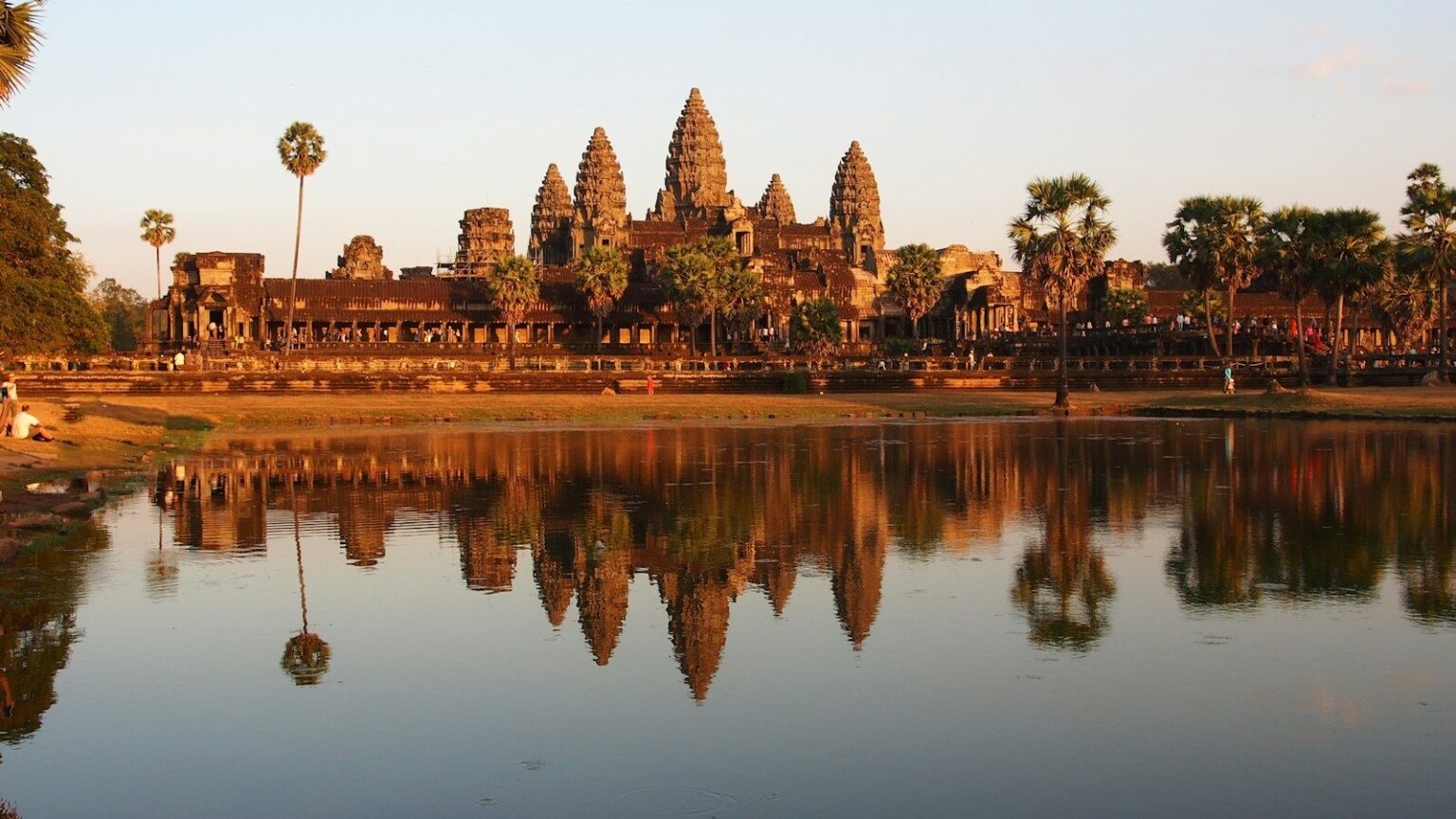
Do Canadians Need Travel Vaccines for Cambodia?
Short answer: yes, most should consider them.
There is no single rule. It depends on your itinerary, your health history, and how long you are staying. Let’s break it into three categories.
Routine Vaccines (The Basics)
Make sure your foundations are solid before worrying about anything exotic.
- Measles, Mumps, Rubella (MMR): Outbreaks happen globally, including in parts of Asia. If you were born after 1970, check your records.
- Diphtheria, Tetanus, Pertussis (Tdap): You will be exploring temples, trails, and markets. Tetanus loves soil and scratches. Booster every 10 years.
- Influenza: A quick flu shot can keep you out of bed.
- Varicella (Chickenpox): If you have never had it, consider the vaccine.
Recommended Vaccines (The Cambodia Essentials)
These are the ones most Canadian travellers should consider.
- Hepatitis A: The top recommendation. It spreads through contaminated food and water. One shot protects you for a year, and a booster gives long-term coverage.
- Typhoid: Smart if you will be eating at local stalls, visiting rural areas, or staying in budget accommodation. Available as a shot or oral capsules in Canada.
Situational Vaccines (Depends on Your Plans)
These depend on where you are going and what you are doing.
- Rabies: Cambodia has a real rabies risk, mainly from dogs. If you will be in rural areas, around animals, or staying for an extended period, this one is worth serious thought.
- Japanese Encephalitis: Present in rural and agricultural areas. Usually recommended for longer stays or travel outside the main cities.
- Hepatitis B: Consider if you might need medical care abroad, get tattoos or piercings, or have intimate contact with new people.
- Cholera: Only for specific high-risk or remote travel.
- Yellow Fever: Not required for direct travel from Canada. Required only if you are arriving from a country with yellow fever transmission.
Our take: Book your Cambodia vaccine consultation in Canada four to six weeks before departure. Some vaccines need time to build immunity, and some require multiple doses.
Leaving soon? Book anyway; we can still help.
Cambodia Travel Vaccine Requirements: Mandatory vs Recommended
Here is a quick side-by-side.
Vaccine | Requirement Status | Who It’s For |
Yellow Fever | Required (conditional) | Only if arriving from a yellow fever country |
Hepatitis A | Recommended | Almost all travellers |
Typhoid | Recommended | Rural travel, street food, longer stays |
Rabies | Situational | Animal contact, rural areas, long stays |
Japanese Encephalitis | Situational | Rural or extended travel |
Hepatitis B | Situational | Medical care abroad, tattoos, intimate contact |
Routine (MMR, Tdap, flu) | Recommended | Everyone |
Cambodia does not require proof of most vaccines for entry. That means the recommendations are there to protect you, not just to clear a border.
Book Your Cambodia Travel Consultation, and we will build your list around your exact itinerary.
Beyond Vaccines: Other Health Risks in Cambodia
Shots are only part of the picture. Here is what else deserves your attention.
Dengue Fever
Dengue is widespread across Cambodia, including cities, and risk rises during the rainy season. No dengue vaccine is widely available for Canadian travellers, and there is no specific treatment, so prevention is everything.
- Use repellent with DEET (20 to 30 percent) or Picaridin. Apply after sunscreen.
- Wear long sleeves and pants at dawn and dusk.
- Sleep in screened or air-conditioned rooms.
Malaria
Malaria risk in Cambodia is concentrated in rural and forested areas, especially near the borders with Thailand, Laos, and Vietnam. Popular spots like Phnom Penh and Siem Reap are generally considered low risk.
If your itinerary includes remote or forested regions, your doctor may recommend antimalarial medication. This is a conversation worth having.
Rabies
Rabies in Cambodia is a genuine concern, mainly from dogs. Street dogs and temple monkeys both pose a risk, and the adorable ones are still wild animals.
- Do not feed or approach animals.
- Watch where you step on trails.
- If bitten or scratched, wash the wound thoroughly and seek medical care immediately.
Japanese Encephalitis
This mosquito-borne virus is present in rural Cambodia, especially around rice paddies and farming areas. Risk is low for short stays in cities, but rises with longer or rural travel.
Traveller’s Diarrhea and Water Safety
Tap water in Cambodia is not safe to drink. Food and water precautions go a long way.
- Pack oral rehydration salts. These are lifesavers.
- Ask about an emergency antibiotic to keep on hand.
- Stick to bottled or filtered water, even for brushing your teeth in remote areas.
- Eat freshly cooked, hot food and peel your own fruit.
Road Safety and Heat
Two quieter risks are worth a mention. Road accidents are a leading cause of injury for travellers in Cambodia, so choose reputable transport and think twice about renting a motorbike. And the heat and humidity can wear you down, so hydrate consistently and pace yourself.
Cambodia Travel Health Checklist
Item | Why It Matters |
Travel health consultation | Personalized vaccines and prescriptions for your route |
Hepatitis A and Typhoid vaccines | Core protection for most travellers |
Rabies vaccine (if animal contact) | Cambodia has a real dog rabies risk |
Antimalarials (if rural or forested travel) | Risk rises away from major cities |
DEET or Picaridin repellent | Dengue prevention is non-negotiable |
Oral rehydration salts | Fast help for travellers’ diarrhea |
Emergency antibiotic | For severe travellers’ diarrhea |
Travel insurance | Non-negotiable, especially for medical evacuation |
Costs and Practical Considerations
A few things to know before you book.
- Consultation fee: A flat fee covers your full assessment and any prescriptions.
- Vaccine and medication costs: Pay at your local Canadian pharmacy; prices vary by drug.
- Ordering time: Some vaccines and medications may need to be ordered in advance, so allow a few extra days.
- Insurance: Provincial health plans generally don’t cover travel vaccines, but many private insurance companies do. We’ll provide you with a receipt to submit to your insurer.
- Timing: Aim for four to six weeks before departure for the smoothest experience.
Compared to the cost of a medical emergency in Cambodia, a bit of preparation is money well spent.
Get Cambodia-Ready From Your Couch
You have picked the temples. You have imagined the sunrises. Now let’s make sure your health plan is just as solid.
Virtual Travel Clinic is a Canadian virtual travel clinic focused on travel vaccinations and prescriptions. One focus, done well.
Why Canadians choose us:
- Canadian licensed clinicians who follow Canadian travel health guidance
- Fully virtual visits from anywhere in Canada
- Destination specialists who know the difference between Siem Reap and Ratanakiri
- Last-minute friendly with appointments often available
Here’s how it works:
- Book online at www.virtualtravelclinic.ca and choose your time.
- Share your trip details, including cities, regions, activities, and length of stay.
- Meet your clinician by video call for tailored recommendations.
- Get your prescriptions sent straight to your local Canadian pharmacy.
- Travel with confidence, knowing you have covered the essentials.
Book Your Travel Consultation Now or call us: 1-833-359-4669
FAQ’s
Do I need any vaccines to enter Cambodia?
Cambodia does not require most vaccines for entry. The main exception is yellow fever, which is required only if you arrive from a country with yellow fever transmission. All other vaccines are recommended, not mandatory, based on your itinerary and health.
Is the rabies vaccine necessary for Cambodia?
It is worth serious consideration. Cambodia has a well-known risk of rabies from dogs, and dog bites are not uncommon. It is especially relevant if you will be in rural areas, around animals, or staying for an extended period. Even with the vaccine, any bite or scratch needs immediate medical attention.
Do I need malaria pills for Cambodia?
It depends on your destination. Phnom Penh and Siem Reap are generally low risk. Higher risk areas include rural and forested regions near the Thai, Lao, and Vietnamese borders, such as Ratanakiri, Mondulkiri, and parts of Preah Vihear. We will assess your exact route and advise accordingly.
Is dengue fever a concern in Cambodia?
Yes. Dengue is widespread across Cambodia, including cities, and risk rises during the rainy season. No dengue vaccine is widely available for Canadian travellers, and there is no specific treatment, so bite prevention with repellent, clothing, and screened accommodation is the best defence.
How far in advance should I get travel vaccines for Cambodia?
Ideally two to four weeks before departure. This allows time for immunity to build and for any multiple-dose schedules. If you are leaving sooner, book a consultation anyway; we can often accommodate last-minute travellers.
Can I drink the tap water in Cambodia?
No. Tap water is not safe to drink. Stick to bottled or filtered water, and use it for brushing your teeth in remote areas. Avoid ice from unknown sources and be cautious with raw vegetables and unpeeled fruit.
Are travel vaccines for Cambodia covered by Canadian health insurance?
Most provincial plans do not cover travel vaccines. However, many private insurance companies cover the consultation fee or part of the vaccine cost. It is worth checking with your provider.
Planning your next adventure?
Book your travel health consultation today at VirtualTravelClinic.ca — and go explore the world, your way.
Travelling With Diabetes: What Canadians Should Know Before an International Trip
Travelling With Diabetes: What Canadians Should Know Before an International Trip VoyageWell: Your Trusted Travel Medicine Resource A diabetes diagnosis doesn’t mean you’re banned from
Do Canadians Need Travel Vaccines for Cambodia?
Do Canadians Need Travel Vaccines for Cambodia? VoyageWell: Your Trusted Travel Medicine Resource Short answer: yes, most should consider them. There is no single rule.
Travel Clinic Abbotsford: Online Travel Vaccines & Prescriptions
Travel Clinic Abbotsford: Online Travel Vaccines & Prescriptions VoyageWell: Your Trusted Travel Medicine Resource Planning an international getaway from Abbotsford? Whether you’re dreaming of tropical

Malaria Medication for Travel: What Canadians Need to Know
Malaria Medication for Travel: What Canadians Need to Know VoyageWell: Your Trusted Travel Medicine Resource Malaria is one of the oldest and most serious travel
Travel Vaccines for Indonesia: What Canadians Should Know Before They Go
Travel Vaccines for Indonesia: What Canadians Should Know Before They Go VoyageWell: Your Trusted Travel Medicine Resource Rice terraces in Ubud. Sunset drinks in Seminyak.
Travel Clinic Nanaimo: Online Travel Vaccines & Prescriptions
Travel Clinic Nanaimo: Online Travel Vaccines & Prescriptions VoyageWell: Your Trusted Travel Medicine Resource Planning an international getaway from Nanaimo? Whether you are dreaming of