
Travelling With Diabetes:
What Canadians Should Know Before an International Trip
A diabetes diagnosis doesn’t mean you’re banned from travelling. In fact, millions of people manage their diabetes all over the world, every single day, in every time zone there is.
But travelling with diabetes takes a little more planning than it used to. Insulin storage, airport security, time zone shifts, and unfamiliar food all add moving parts.
Here’s the good news. With a solid plan, you can travel confidently and keep your blood sugar steady.
At Virtual Travel Clinic, we help Canadian travellers with diabetes sort out their vaccines, prescriptions, and destination risks before they fly. Everything is online, from your couch.
Let’s get you trip-ready.
Can You Travel With Diabetes? The Short Answer
Yes. Most people with well-managed diabetes can travel safely, including long-haul international trips.
The key is preparation. That means talking with your diabetes care team, getting a travel health consultation, and packing more than just shorts and sandals.
If your diabetes is currently unstable, or you’ve had recent complications, talk to your care team before booking anything. Travel is a lot more enjoyable when your numbers are cooperating.
Before You Go: Your Pre-Trip Checklist
Start planning four to six weeks before departure. Here’s what to work through.
- See your diabetes care team. Review your medication doses, your travel dates, and any planned time zone changes.
- Book a travel health consultation for vaccines and destination advice.
- Ask for a doctor’s letter. It should confirm your diagnosis, medications, and supplies, and explain that you need to carry them.
- Request written prescriptions for all medications and supplies, using generic names where possible.
- Plan for double the supplies you think you’ll need.
- Check your travel insurance and declare your diabetes before you buy.
- Get a medical ID bracelet if you don’t already wear one.
A little admin now saves a lot of stress later.
Book Your Travel Health Consultation, and we’ll review your trip, your medications, and your destination together.
Packing Your Diabetes Supplies
This is where good planning really shows. Here’s how to pack smart.
Insulin Storage
Insulin doesn’t like heat, and it really doesn’t like freezing.
- Keep insulin in your carry-on, never in checked luggage. Cargo holds get cold enough to freeze it.
- Use an insulin cooling case for hot destinations. Aim to keep it between 2 and 8 degrees Celsius until you open it.
- Once in use, most insulin is fine at room temperature for about 28 days, but check your product’s specific guidance.
- Never leave insulin in a hot car, on a beach, or in direct sun.
What to Keep in Your Carry-On
- All insulin and injectable medications
- Testing supplies, lancets, and plenty of strips
- Ketone strips
- Glucagon, if prescribed
- A spare glucose meter and extra batteries
- Fast-acting sugar for lows, such as glucose tablets or juice boxes
- Snacks for delays and unexpected meal times
- Your doctor’s letter and prescriptions
- Original pharmacy-labelled packaging
One important note: keep everything in its original labelled packaging. It makes security and customs conversations much easier.
Airport Security With Diabetes Supplies
Airport security is one of the most common worries, and usually it’s simpler than people expect.
- You can carry insulin and supplies in your carry-on. Liquids rules include exceptions for medically necessary items.
- Tell the screening officer before screening begins that you have diabetes supplies.
- Insulin pumps and continuous glucose monitors should not go through the X-ray. Ask for a manual inspection instead.
- Carry your doctor’s letter, in case you’re asked about your supplies.
- Arrive early. Extra time removes the pressure.
If you’re ever unsure, ask for a supervisor. Officers deal with medical devices regularly.
Managing Insulin Across Time Zones
Time zones are the trickiest part of international travel with diabetes, because your body’s rhythm and your injection schedule can drift apart.
Here’s the basic idea:
- Flying east shortens your day, which can increase the risk of low blood sugar.
- Flying west makes your day longer, which can increase the risk of high blood sugar.
Your care team can give you a specific plan for adjusting doses. Common approaches include gradually shifting doses before you fly or adjusting the timing of long-acting insulin on travel days.
Practical tips that help:
- Check your blood sugar more often on travel days.
- Set phone alarms for doses across time zones.
- Keep a written log so you don’t lose track.
- Don’t make big changes alone. Get a plan in writing before you go.
Diabetes and Travel Vaccines
Good news here too. Most travel vaccines are safe for people with diabetes, and staying up to date is genuinely worthwhile.
Why vaccines matter more for you:
- Diabetes can make infections harder to fight.
- People with diabetes are at higher risk of complications from influenza.
- Routine vaccines, including the flu shot, are often recommended.
What to discuss before you go:
- Routine vaccines: MMR, Tdap, and influenza are worth confirming.
- Recommended travel vaccines: hepatitis A and typhoid are common for many destinations.
- Yellow fever: this is a live vaccine, so it needs a closer look. Diabetes alone isn’t usually a barrier, but a clinician should review it.
- Any vaccine if your diabetes is currently unstable or you have other health conditions.
This is exactly what a travel health consultation is for.
Food, Water, and Blood Sugar Abroad
New foods, new meal times, and unfamiliar water can all affect your numbers.
- Be careful with water. Stick to bottled or filtered water in areas where tap water isn’t safe.
- Carry snacks so a delayed meal doesn’t turn into a low.
- Go easy on unfamiliar street food until you know how your stomach handles it.
- Have a sick-day plan. Travellers’ diarrhea and dehydration can push blood sugar in unpredictable directions.
- Pack oral rehydration salts and know when to use them.
- Carry ketone strips and know the signs that mean you need medical care.
If you get sick and can’t keep fluids down, seek medical help early instead of waiting it out.
Foot Care and Heat: Two Easy-to-Miss Risks
These two don’t get much airtime, but they matter.
Foot Care
Diabetes affects circulation and sensation, which means small foot injuries can become bigger problems.
- Inspect your feet every evening.
- Wear comfortable, well-fitted footwear, even on the beach.
- Avoid walking barefoot on hot sand or rough ground.
- Treat any blister or cut promptly.
Heat
Hot climates affect both your body and your supplies.
- Store insulin somewhere cool, never in direct sun.
- Keep your meter and strips within their recommended temperature range.
- Stay hydrated, and watch for signs of heat exhaustion.
- Remember that dehydration can raise blood sugar.
Travel Insurance and Costs
This section deserves real attention if you’re travelling with diabetes.
- Declare your diabetes when you buy travel insurance. Non-disclosure can void a claim.
- Look for pre-existing condition coverage. Not every policy includes it.
- Check whether your policy covers diabetes-related emergencies, including hospitalization abroad.
- Understand your provincial coverage. Provincial plans such as OHIP, MSP, and RAMQ offer limited coverage outside Canada, so travel insurance is essential.
- Budget for supplies. Extra insulin, strips, and a cooling case all add cost, and prices are in Canadian dollars at your pharmacy.
A few extra dollars on the right policy is the best money you’ll spend on the trip.
At-a-Glance Travel Checklist for Diabetes
- Doctor’s letter and prescriptions: eases security and customs questions
- Double supplies: covers delays, loss, and breakage
- Insulin in carry-on with cooling case: prevents freezing and heat damage
- Fast-acting sugar and snacks: manages lows and meal delays
- Medical ID bracelet: speaks for you if you can’t
- Blood sugar log: keeps doses straight across time zones
- Travel insurance with pre-existing coverage: protects you if things go wrong
- Comfortable footwear: protects feet from small injuries
- Travel health consultation: covers vaccines and destination risks
Get Travel-Ready From Your Couch
You’ve got the itinerary. You’ve got the supplies. Now let’s make sure your health plan is just as solid.
Virtual Travel Clinic is a Canadian virtual travel clinic focused on travel vaccinations and prescriptions. We do one thing, and we do it well.
Why Canadians choose us:
- Canadian licensed clinicians who specialize in travel medicine
- Fully virtual visits from anywhere in Canada
- Diabetes-aware advice on vaccines, medications, and destination risks
- Quick appointments that make last-minute bookings easy
Here’s how it works:
- Book online at www.virtualtravelclinic.ca and choose your time.
- Share your trip details, including destination, dates, and how you manage your diabetes.
- Meet your clinician by video call for tailored recommendations.
- Get your prescriptions sent straight to your local Canadian pharmacy.
- Travel with confidence, knowing you’ve covered the essentials.
Book Your Travel Health Consultation Now or call us: 1-833-359-4669
FAQ’s
Can I take my insulin through airport security in Canada?
Yes. You can carry insulin and diabetes supplies in your carry-on, and liquid rules have exceptions for medically necessary items. Tell the screening officer before screening begins, and carry a doctor’s letter. Insulin pumps and continuous glucose monitors should not go through the X-ray, so ask for a manual inspection.
How should I store insulin while travelling?
Keep insulin in your carry-on, never in checked luggage, since cargo holds can freeze it. Use an insulin cooling case for hot destinations, and keep it between 2 and 8 degrees Celsius until you open it. Never leave it in a hot car, on a beach, or in direct sun.
How do time zones affect insulin doses?
Keep insulin in your carry-on, never in checked luggage, since cargo holds can freeze it. Use an insulin cooling case for hot destinations, and keep it between 2 and 8 degrees Celsius until you open it. Never leave it in a hot car, on a beach, or in direct sun.
Are travel vaccines safe with diabetes?
Most travel vaccines are safe for people with diabetes, and routine vaccines such as the flu shot are often recommended because infections can hit harder. Yellow fever needs closer review because it’s a live vaccine. A travel health consultation can sort out what’s right for your destination and health profile.
Does travel insurance cover diabetes?
It can, but you need to declare your diabetes when you buy the policy. Look specifically for pre-existing condition coverage and confirm that it covers diabetes-related emergencies. Non-disclosure can void a claim, so be upfront.
How far in advance should I plan a trip with diabetes?
Start two to four weeks before departure. That gives time for a care team review, a travel health consultation, vaccines that need multiple doses, and any prescriptions or supplies that need ordering.
Planning your next adventure?
Book your travel health consultation today at VirtualTravelClinic.ca — and go explore the world, your way.

Travel Clinic Red Deer: Online Travel Vaccines & Prescriptions
Travel Clinic Red Deer: Online Travel Vaccines & Prescriptions VoyageWell: Your Trusted Travel Medicine Resource Planning an international trip from Red Deer? Whether you are
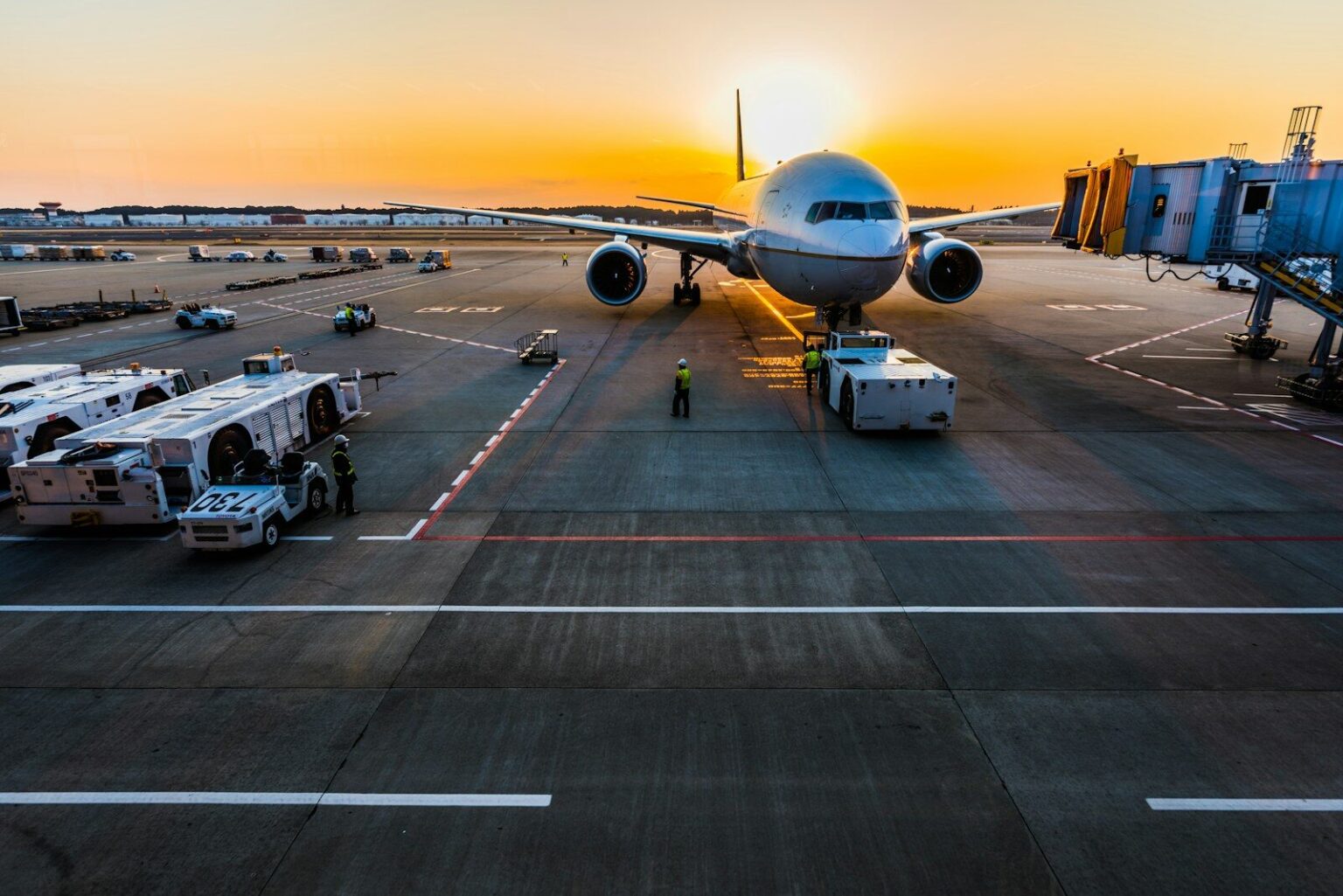
Travelling With Diabetes: What Canadians Should Know Before an International Trip
Travelling With Diabetes: What Canadians Should Know Before an International Trip VoyageWell: Your Trusted Travel Medicine Resource A diabetes diagnosis doesn’t mean you’re banned from

Do Canadians Need Travel Vaccines for Cambodia?
Do Canadians Need Travel Vaccines for Cambodia? VoyageWell: Your Trusted Travel Medicine Resource Short answer: yes, most should consider them. There is no single rule.

Travel Clinic Abbotsford: Online Travel Vaccines & Prescriptions
Travel Clinic Abbotsford: Online Travel Vaccines & Prescriptions VoyageWell: Your Trusted Travel Medicine Resource Planning an international getaway from Abbotsford? Whether you’re dreaming of tropical

Malaria Medication for Travel: What Canadians Need to Know
Malaria Medication for Travel: What Canadians Need to Know VoyageWell: Your Trusted Travel Medicine Resource Malaria is one of the oldest and most serious travel

Travel Vaccines for Indonesia: What Canadians Should Know Before They Go
Travel Vaccines for Indonesia: What Canadians Should Know Before They Go VoyageWell: Your Trusted Travel Medicine Resource Rice terraces in Ubud. Sunset drinks in Seminyak.