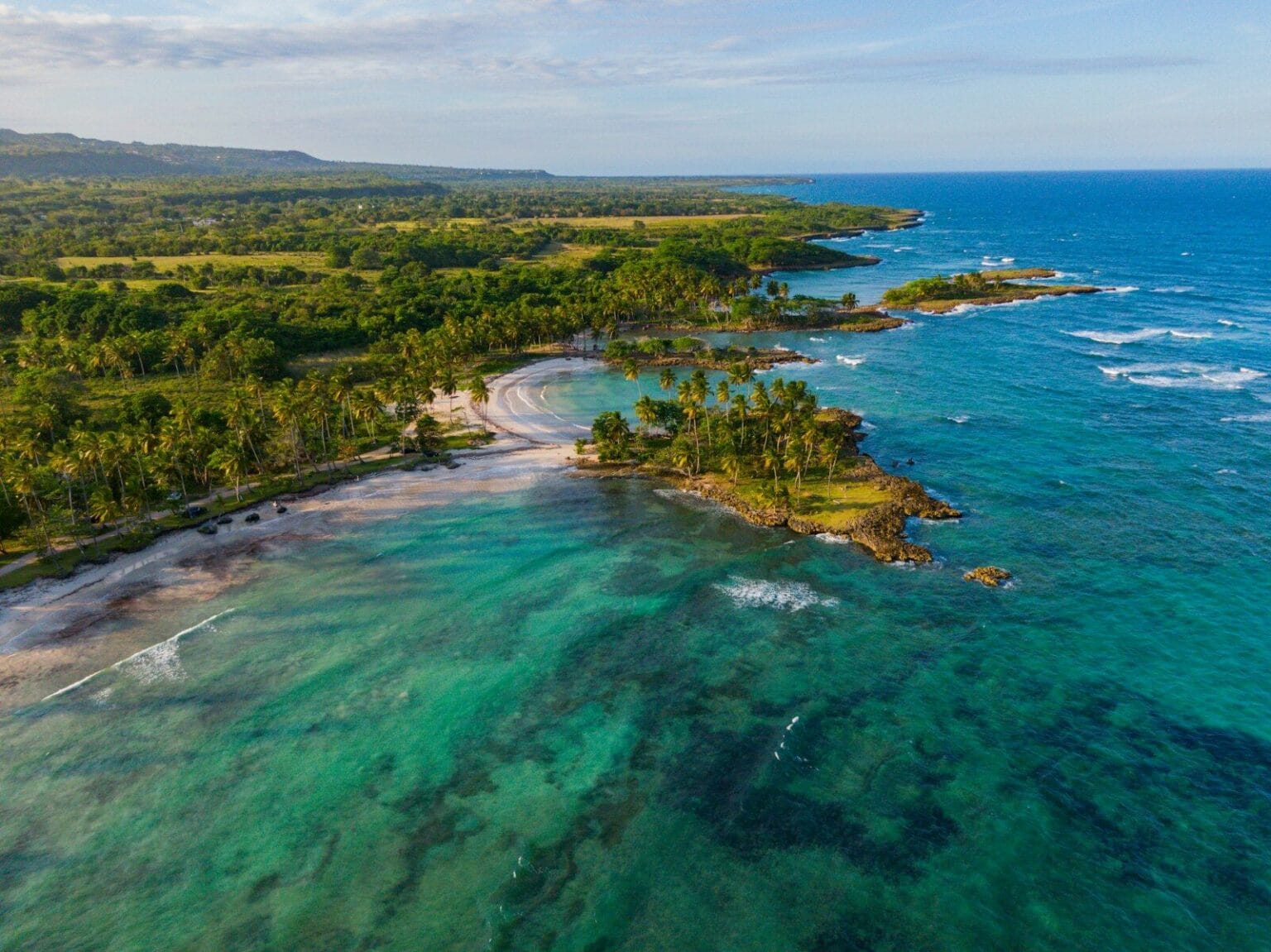
Picture this: You’re sitting on a beach in Mexico, watching the sunset, a cold drink in hand. Then you feel it, that familiar buzz near your ear. You swat it away without a second thought.
But here’s what you might not know: That tiny mosquito could be carrying dengue fever, chikungunya, or Zika. And for Canadian travellers, these are not just faraway problems. There are real risks that affect hundreds of returning travellers every year.
At Virtual Travel Clinic, we help Canadians plan healthy adventures. Our entire service is built around one simple idea: You should be able to get expert travel health advice from your couch, not a waiting room. We’re a virtual travel clinic for travel vaccinations and prescriptions. People come to us when they’re travelling internationally, and we help them plan their health and avoid risks to keep them safe and healthy.
Let’s get you prepared. Book your consultation now.
Who This Guide Is For (Yes, You)
This guide is for Canadian travellers. Whether you’re:
- A first-time backpacker heading to Southeast Asia
- A family visiting relatives in India or the Philippines
- A retiree on a safari in Kenya
- A business traveller going to Brazil
If your destination has mosquitoes, this is for you.
What the Virtual Travel Clinic Website Says About Mosquito Risks
According to our website, mosquito-borne diseases are a top concern for our clients. We see travellers heading to over 50 countries each month, and the most common questions are about dengue, malaria, and chikungunya.
Here’s what we know from Canadian health data:
- Dengue fever is the most common mosquito-borne viral disease affecting Canadian travellers. The Public Health Agency of Canada reports hundreds of cases each year, mostly from travel to the Caribbean, Mexico, and Southeast Asia.
- Malaria cases in Canada range from 300 to 500 annually, almost all travel-related. Sub-Saharan Africa is the highest-risk region.
- Chikungunya and Zika are less common but still present in popular Canadian travel destinations.
The good news? All of these are preventable. That’s where we come in.
The Big Four Mosquito-Borne Diseases Canadian Travellers Face
1. Dengue Fever: The Most Common Threat
Dengue is found in over 100 countries. For Canadians, the highest-risk destinations include Mexico, Cuba, the Dominican Republic, Jamaica, Thailand, and India.
- Symptoms: High fever, severe headache, pain behind the eyes, joint and muscle pain, rash.
- Treatment: There is no specific antiviral treatment. Supportive care (rest, hydration, pain relief) is key. Severe cases require hospitalization.
- Prevention: Mosquito repellent (DEET or Picaridin), long sleeves, and avoiding peak biting hours (early morning and late afternoon).
2. Chikungunya: The Joint Pain Virus
Chikungunya causes intense joint pain that can last for months. It’s found in the same regions as dengue.
- Symptoms: Sudden fever, severe joint pain (especially hands and feet), muscle pain, headache, fatigue.
- Treatment: No specific treatment. Symptom management with rest and pain relievers.
- Prevention: Same as dengue, mosquito avoidance is your only defence.
3. Malaria: The Preventable Emergency
Malaria is caused by a parasite, not a virus. That means it can be prevented with medication, but it’s also more dangerous if you get it.
- Where it’s found: Sub-Saharan Africa (highest risk), parts of South Asia, Central and South America, and some Pacific islands.
- Symptoms: Fever, chills, headache, muscle aches, fatigue. Can become severe within 24 hours.
- Prevention: Anti-malarial medication (prescription only) PLUS mosquito avoidance.
- Canadian note: The Government of Canada recommends anti-malarials for travellers to high-risk regions. We at Virtual Travel Clinic can prescribe these after a quick video consultation.
4. Zika: Important for Family Planning
Zika is usually mild, but it can cause severe birth defects if contracted during pregnancy. It can also spread sexually.
- Where it’s found: Many tropical regions, including parts of the Caribbean, Central and South America, and Southeast Asia.
- Symptoms: Mild fever, rash, red eyes, joint pain. Many people have no symptoms.
- Prevention: Mosquito avoidance. Pregnant women or those planning pregnancy should consider deferring travel to active Zika areas.
Less Common But Serious: Yellow Fever & Japanese Encephalitis
- Yellow Fever: Required vaccine for entry into some African and South American countries. We can help you determine if you need it.
- Japanese Encephalitis: Rare but serious. A vaccine is available for travellers to rural parts of Asia.
Your Personal Mosquito Prevention Plan (From Our Website)
Our Virtual Travel Clinic team recommends a simple 5-step plan for mosquito prevention travel:
- Use the right repellent. Our website recommends DEET (20–30%) or Picaridin (20%). Apply after sunscreen, reapply after swimming.
- Cover up. Long sleeves, long pants, socks. Treat clothing with permethrin for extra protection.
- Sleep protected. Use mosquito nets (treated with insecticide) and choose accommodation with screens or air conditioning.
- Know the hours. Aedes mosquitoes (dengue, chikungunya, Zika) bite during the day. Anopheles mosquitoes (malaria) bite at night.
- Avoid standing water. Don’t camp near stagnant ponds or open water containers.
Destination-Specific Risks for Canadian Travellers
Destination | High-Risk Diseases | What Virtual Travel Clinic Recommends |
Mexico & Caribbean | Dengue, Chikungunya, Zika | DEET repellent, day and night. The rainy season (May–Nov) is the highest risk. |
Southeast Asia (Thailand, Vietnam, Philippines) | Dengue, Malaria, Japanese Encephalitis | Anti-malarials if visiting rural areas. Consider the JE vaccine for extended rural stays. |
Sub-Saharan Africa (Kenya, Tanzania, Ghana) | Malaria, Yellow Fever, Dengue | Anti-malarials are mandatory. The yellow fever vaccine is required for many countries. |
Central & South America (Costa Rica, Peru, Brazil) | Dengue, Malaria, Zika, Yellow Fever | Vaccines may be required. Anti-malarials for Amazon regions. |
South Asia (India, Nepal, Sri Lanka) | Dengue, Malaria, Chikungunya | Anti-malarials for rural travel. Dengue risk is high in cities, too. |
Before You Go: A Canadian Traveller’s Checklist
- Check the Government of Canada’s travel health notices for your destination.
- Review your routine vaccines (MMR, tetanus, diphtheria, polio).
- Book a virtual travel health consultation with Virtual Travel Clinic. We’ll review your itinerary and prescribe any needed medications or vaccines.
- If visiting a malaria zone, get a prescription for anti-malarial medication from us; don’t leave it to the last minute.
- Pack your mosquito defence kit: DEET repellent, mosquito net, permethrin spray, and after-bite cream.
- Know the symptoms of dengue and malaria so you can act fast if you feel unwell.
What If You Get Sick After Your Trip?
We see it happen: a traveller returns from a great trip, then a week later gets a fever. They think it’s the flu. But it could be dengue or malaria.
Our advice from the Virtual Travel Clinic website: If you develop a fever, severe headache, joint pain, or rash during travel or within one month of returning home, see a doctor immediately. Tell them where you travelled. Malaria can become serious in hours, and dengue can progress to severe dengue without warning.
Don’t wait. Don’t guess. Get checked.
Book your consultation now.
FAQ’s