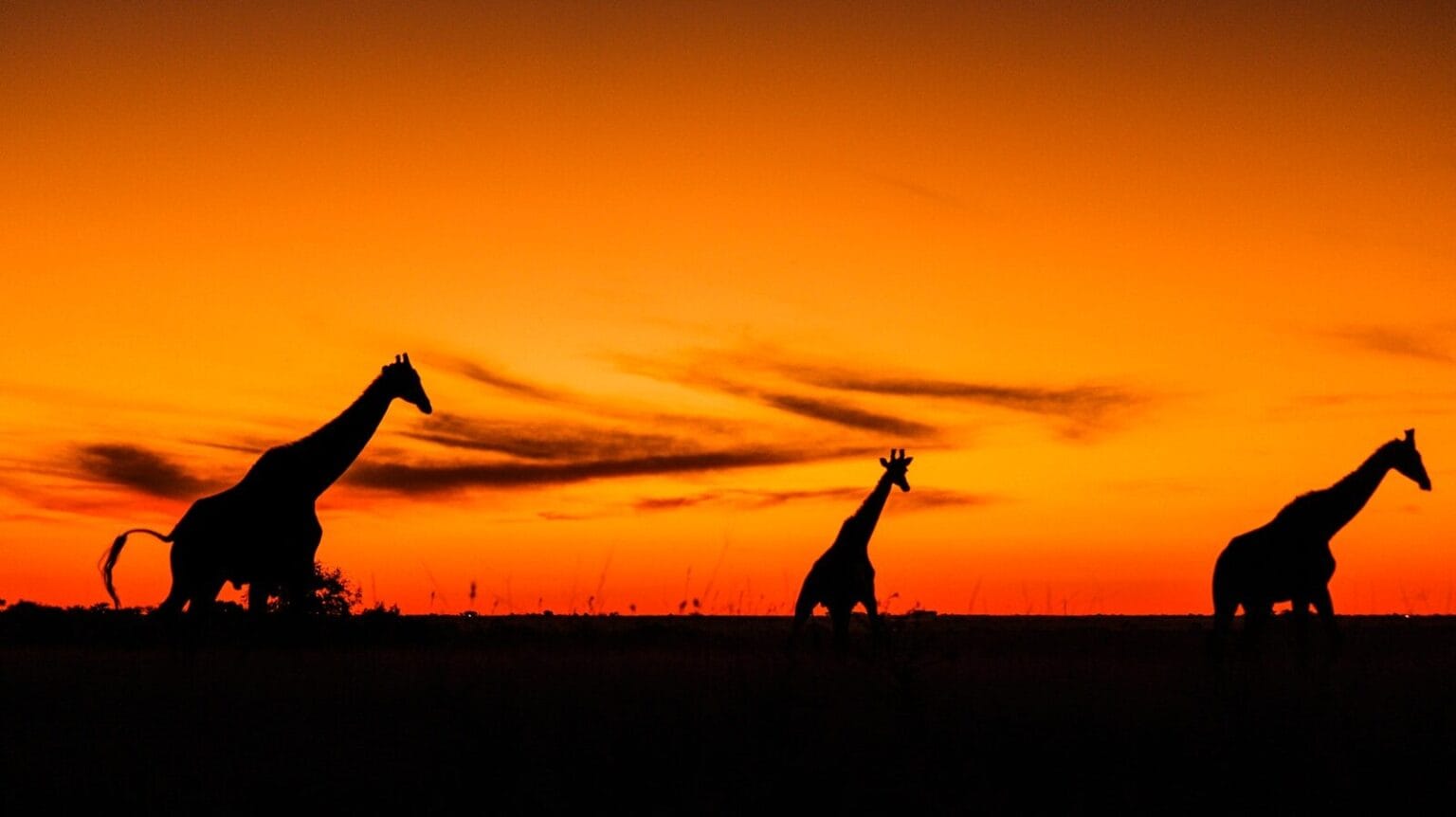
An African safari is one of the most unforgettable travel experiences in the world. Imagine watching elephants gather at a watering hole, spotting lions across the savanna, or witnessing a breathtaking African sunset after a day of exploring national parks.
From the Serengeti to Kruger National Park and beyond, safaris offer incredible wildlife encounters and stunning landscapes. But before heading off on this once-in-a-lifetime adventure, it’s important to prepare for your trip from a travel health perspective.
Many safari destinations are located in regions where certain infectious diseases are more common than in Canada. Taking time to review recommended travel vaccines and health precautions can help ensure your adventure stays memorable for all the right reasons.
Here’s what travellers should know about vaccinations and travel health before going on an African safari.
Do You Need Vaccines for an African Safari?
Africa is a large and diverse continent, and health recommendations vary depending on:
- The specific country you’re visiting
- Whether you’re travelling to rural or urban areas
- The length of your trip
- Planned activities such as camping or visiting remote regions
Safari travel often involves spending time outdoors and in nature reserves, which may increase exposure to insects and other environmental health risks.
Because of this, travel vaccines and preventative medications are commonly discussed before departure.
Routine Vaccines to Check Before Travel
Before travelling internationally, it’s always important to ensure your routine vaccinations are up to date.
Routine vaccines may include protection against:
- Tetanus
- Diphtheria
- Pertussis (whooping cough)
- Measles, mumps, and rubella
- Polio
- Influenza
Travelling often involves busy airports, flights, and group tours where illnesses can spread more easily. Staying current on routine vaccines helps reduce the risk of infection while travelling.
Common Travel Vaccines for African Safari Travel
Depending on your destination, travel health professionals may recommend several additional vaccines before travelling to parts of Africa.
Hepatitis A
Hepatitis A is one of the most commonly recommended travel vaccines worldwide.
The virus spreads through contaminated food or water. Travellers may be exposed through:
- Food prepared in unsanitary conditions
- Contaminated water or ice
- Raw or undercooked foods
Vaccination provides reliable protection and is often recommended for many destinations in Africa.
Hepatitis B
Hepatitis B affects the liver and spreads through contact with infected blood or bodily fluids.
Vaccination may be recommended for travellers who:
- Plan extended stays
- May receive medical care abroad
- Travel frequently to regions where hepatitis B is more common
Many Canadians are already vaccinated, but reviewing your vaccination history before travel is helpful.
Typhoid
Typhoid is a bacterial infection that spreads through contaminated food or water.
Vaccination may be recommended for travellers who:
- Visit smaller towns or rural areas
- Eat local foods outside major hotels or resorts
- Travel for longer periods of time
Because safaris often involve travel outside major cities, typhoid vaccination is commonly discussed before departure.
Rabies
Rabies vaccination may be recommended for travellers who plan to spend extended time outdoors or in remote areas.
Rabies spreads through bites or scratches from infected animals.
While safari guides maintain safe distances from wildlife, travellers may still encounter animals such as monkeys, bats, or stray dogs during their trip.
Vaccination can provide an additional layer of protection for certain travellers.
Yellow Fever
Some African countries require proof of yellow fever vaccination for entry.
Yellow fever is a mosquito-borne virus found in certain parts of Africa and South America.
If vaccination is required for your destination, travellers may need an official International Certificate of Vaccination to present when entering the country.
Entry requirements vary depending on the country and travel route, so checking requirements before departure is important.
Malaria Prevention on Safari
In addition to vaccines, malaria prevention is an important consideration for many safari destinations.
Malaria is a mosquito-borne illness found in parts of Africa. Travellers visiting malaria-risk regions may be prescribed preventative medication before their trip.
Preventing mosquito bites is also essential.
Helpful precautions include:
- Using insect repellent containing DEET or picaridin
- Wearing lightweight long sleeves and pants in the evening
- Staying in accommodations with mosquito nets when recommended
- Avoiding outdoor exposure during peak mosquito hours when possible
These precautions can significantly reduce mosquito exposure while travelling.
Other Helpful Travel Health Tips for Safari Travel
Preparing for safari travel involves a few additional health considerations beyond vaccines.
Stay hydrated
Many safari destinations can be hot and dry, so drinking plenty of water throughout the day is important.
Protect yourself from the sun
Sun exposure can be intense in open landscapes. Wearing sunscreen, sunglasses, and a hat can help prevent sunburn and dehydration.
Pack a small travel health kit
Bringing basic supplies such as pain relievers, insect repellent, electrolyte packets, and motion sickness medication can make it easier to manage minor health issues during your trip.
Travel Prepared and Enjoy the Adventure
An African safari offers some of the most incredible wildlife experiences on the planet. With the right travel health preparation, travellers can focus on enjoying the adventure, whether it’s spotting the “Big Five,” exploring vast national parks, or watching the African landscape come alive at sunset.
Taking a little time before your trip to review recommended vaccines, mosquito protection, and travel precautions helps ensure your safari is safe, smooth, and unforgettable.
How to Book a Travel Health Consultation
Virtual Travel Clinic allows travellers to meet with a travel health professional online before their trip.
During a virtual consultation, your itinerary, vaccination history, and travel plans are reviewed so personalized recommendations can be provided.
If vaccines or medications are recommended, prescriptions can be arranged so travellers can pick them up from their local pharmacy before departure.
Travel consultations are ideally booked 2-4 weeks before travel, though appointments are also available for last-minute travellers.
FAQ’s