If you’re planning international travel, you may have heard about Hepatitis A, especially when looking into travel vaccines. Hepatitis A is one of the most common vaccine-preventable infections travellers can be exposed to abroad, and it is usually spread through contaminated food and water.
The good news is that Hepatitis A is preventable, and understanding how it spreads and how the vaccine works can help travellers stay healthy while travelling.
What Is Hepatitis A?
Hepatitis A is a virus that infects the liver. It spreads when a person consumes food or water contaminated with the virus or comes into close contact with someone who is infected.
Unlike some other types of hepatitis, Hepatitis A does not cause chronic liver disease, but it can still cause significant illness and may take weeks or even months to fully recover.
Common symptoms of Hepatitis A include:
- Fatigue
- Nausea
- Abdominal pain
- Fever
- Loss of appetite
- Dark urine
- Yellowing of the skin or eyes (jaundice)
Some people experience mild symptoms, while others may become quite ill and require medical care.
How Do Travellers Get Hepatitis A?
Hepatitis A spreads through contaminated food, contaminated water, or poor hand hygiene. This is known as the fecal-oral route of transmission.
Travellers can be exposed through:
- Drinking untreated tap water
- Ice made from contaminated water
- Raw fruits and vegetables washed with unsafe water
- Undercooked or improperly handled food
- Street food prepared without proper hygiene
- Close contact with an infected person
Even travellers staying in hotels or resorts can still be exposed if food or water is contaminated.
How to Prevent Hepatitis A While Travelling
The good news is that Hepatitis A is preventable, and travellers can take steps to reduce their risk.
1. Get Vaccinated Before You Travel
Vaccination is the most effective way to prevent Hepatitis A and is commonly recommended for travellers visiting many international destinations.
2. Drink Safe Water
Choose bottled, boiled, or properly filtered water while travelling. Avoid tap water and ice unless you know it is made from purified water.
3. Be Careful With Raw Foods
Raw fruits, vegetables, and salads may be washed with contaminated water. Fruits that you peel yourself are usually safer options.
4. Wash Your Hands Frequently
Hand hygiene is very important in preventing Hepatitis A. Wash your hands before eating and after using the washroom.
5. Choose Hot, Freshly Cooked Foods
Foods that are fully cooked and served hot are typically safer than foods that have been sitting at room temperature.
However, the most effective way to prevent Hepatitis A is vaccination.
The Hepatitis A Vaccine for Travellers
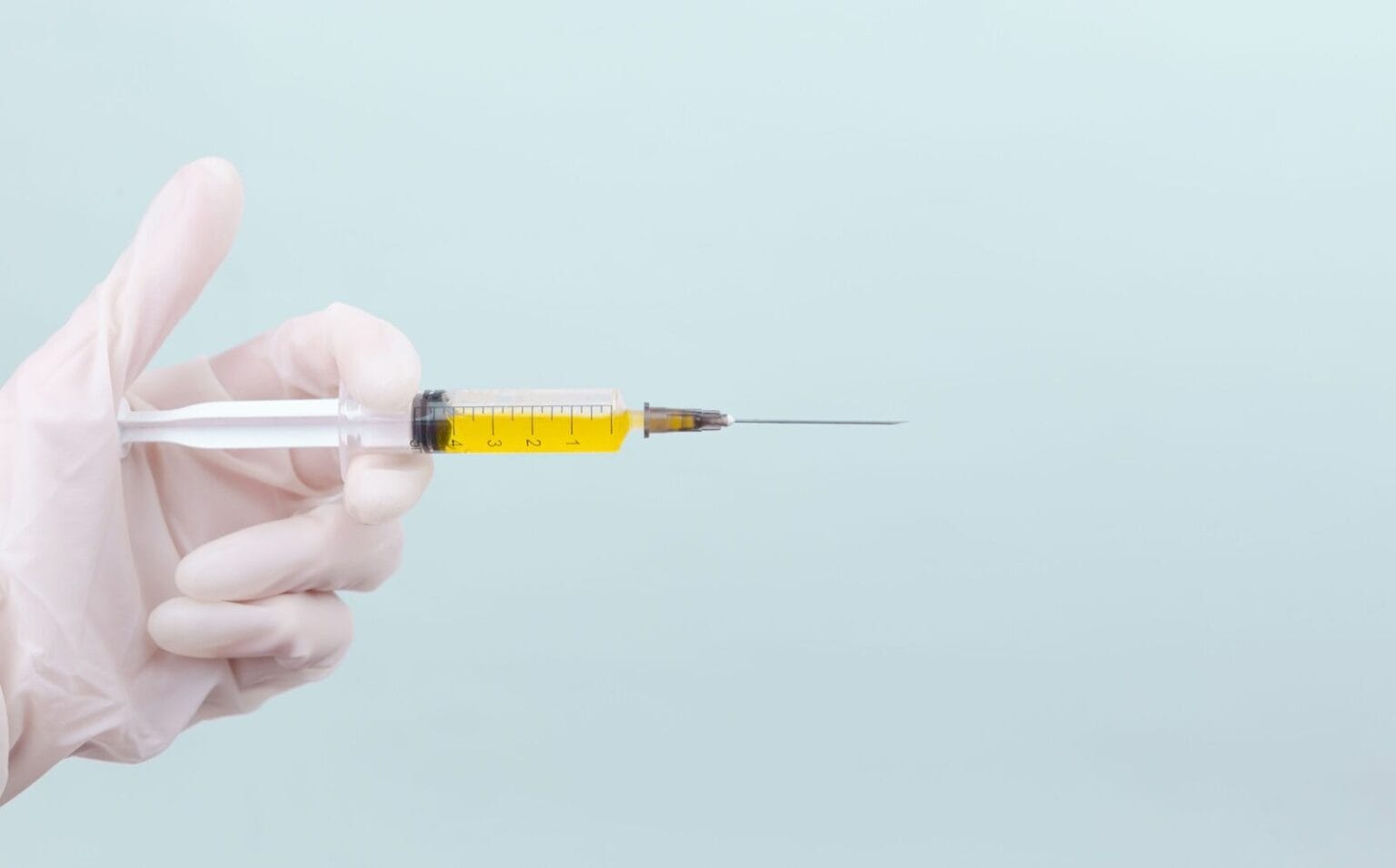
The Hepatitis A vaccine protects against the Hepatitis A virus and is commonly recommended for travellers visiting many international destinations.
The vaccine is typically given as:
- One initial dose before travel
- A second dose several months later for long-term protection
After the first dose, protection begins to develop within a few weeks, and the full vaccine series can provide long-term protection for many years.
The Hepatitis A vaccine is considered safe and well-tolerated, with mild side effects such as soreness at the injection site or mild fatigue being the most common.
Many travellers receive the Hepatitis A vaccine as part of their travel health preparation before travelling abroad.
Why Hepatitis A Matters for Travellers
Hepatitis A affects the liver and can cause travellers to feel extremely tired and unwell, sometimes for several weeks. Because it spreads through food and water, travellers may be exposed even when staying in hotels, eating at restaurants, or travelling on cruise ships.
Since the illness can disrupt travel plans and recovery can take weeks, prevention and travel health planning are important before travelling internationally.
Plan Ahead Before You Travel
Preparing for travel health risks before your trip can help reduce your risk of illnesses like Hepatitis A while travelling.
Travel health consultations help travellers understand recommended vaccines, food and water safety, and health risks based on their destination and travel plans. Preparing ahead of time helps travellers stay healthy and travel with confidence.
How to Book
Virtual Travel Clinic allows travellers across Canada to connect with a travel health professional online before their trip.
During a travel health consultation, your destination, itinerary, vaccination history, and medical information are reviewed so personalized travel health recommendations can be provided. If vaccines or medications are recommended, prescriptions can be arranged so they can be picked up from your local pharmacy before departure.
Travel consultations are ideally booked 2-4 weeks before travelling, but appointments are also available for last-minute trips.
To book a consultation:
- Visit www.virtualtravelclinic.ca
- Select your consultation type
- Choose a convenient appointment time
- Complete your secure intake form before your appointment
Preparing for travel health before your trip helps reduce the risk of illness while travelling and allows you to travel with confidence.
FAQ’s