Dreaming about an African safari, trekking through Southeast Asia, or exploring the Amazon rainforest?
Many of the world’s most incredible destinations also happen to be regions where malaria exists. While that might sound intimidating, the good news is that malaria is largely preventable with the right preparation.
At Virtual Travel Clinic, we help Canadian travellers prepare for trips around the world with personalized travel health advice, vaccines, and prescriptions – all from the comfort of home.
Before you pack your bags, here’s what you should know about malaria and how to protect yourself while traveling.
First Things First: What Is Malaria?
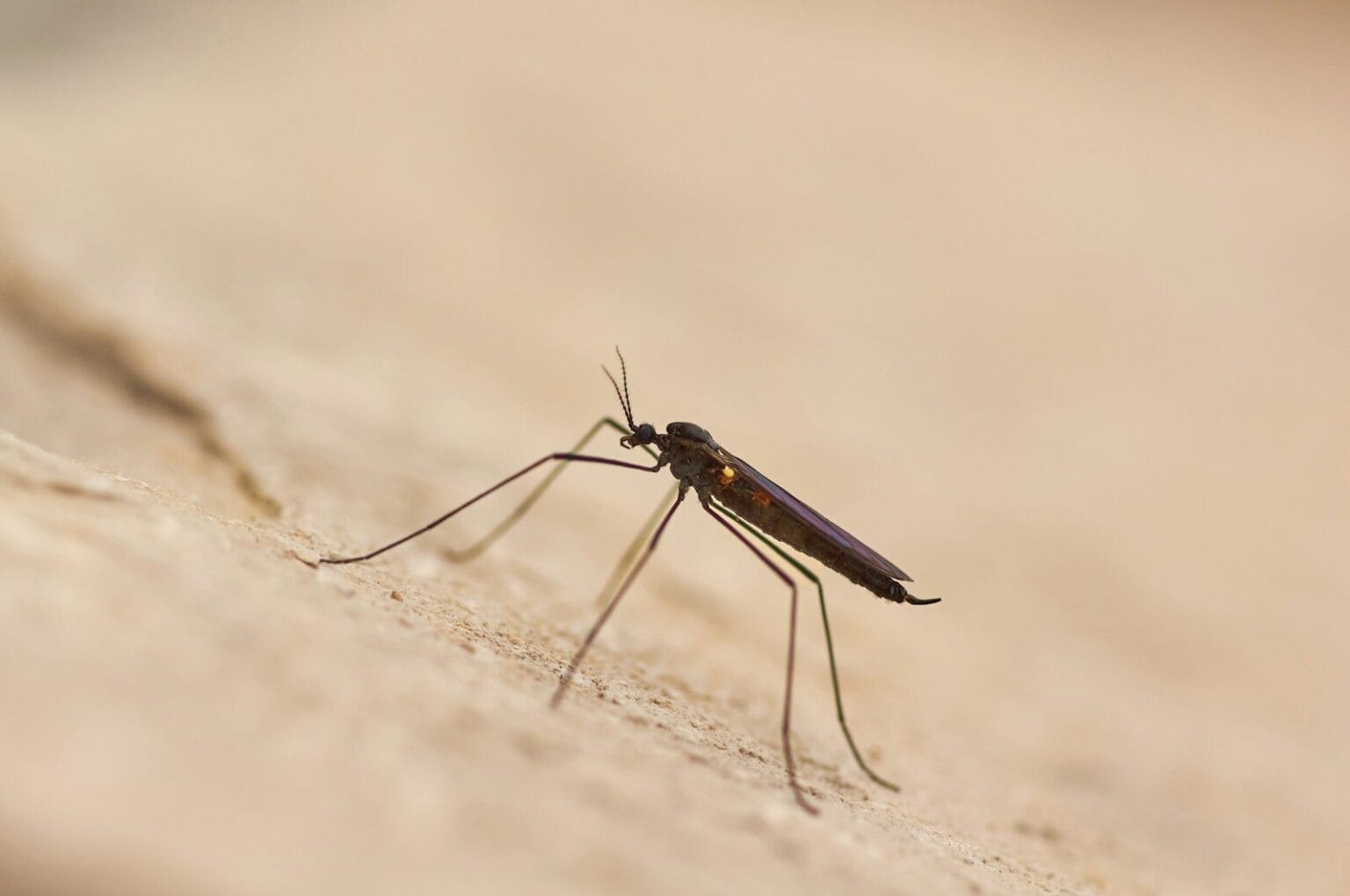
Malaria is a disease caused by parasites that are spread through the bite of infected mosquitos.
These mosquitos are most active between dusk and dawn, which means evening activities like sunset dinners, night markets, or jungle excursions can increase your exposure if you’re not protected.
Malaria is most common in tropical and subtropical regions such as:
- Sub-Saharan Africa
- Southeast Asia
- Central and South America
- Parts of the Middle East
- Some Pacific Islands
Not every destination has the same level of risk. In fact, malaria risk can vary widely even within the same country, which is why personalized travel health advice is so helpful before your trip.
What Does Malaria Feel Like?
Malaria symptoms can sometimes feel like a really bad flu.
Symptoms usually appear 7 to 30 days after a mosquito bite, though they can occasionally appear later.
Common symptoms include:
- Fever
- Chills
- Headache
- Muscle aches
- Fatigue
- Nausea or vomiting
Because these symptoms can resemble other illnesses, many travellers don’t immediately realize malaria could be the cause.
If you experience fever during or after travel, especially after visiting a malaria-risk destination, it’s important to seek medical care and mention your recent travel.
Early diagnosis makes treatment much easier and safer.
The Good News: Malaria Is Preventable
The best way to protect yourself from malaria is by combining mosquito bite prevention with preventative medication when recommended.
Think of it as a two-layered protection plan for your trip.
1. Consider Preventative Malaria Medication
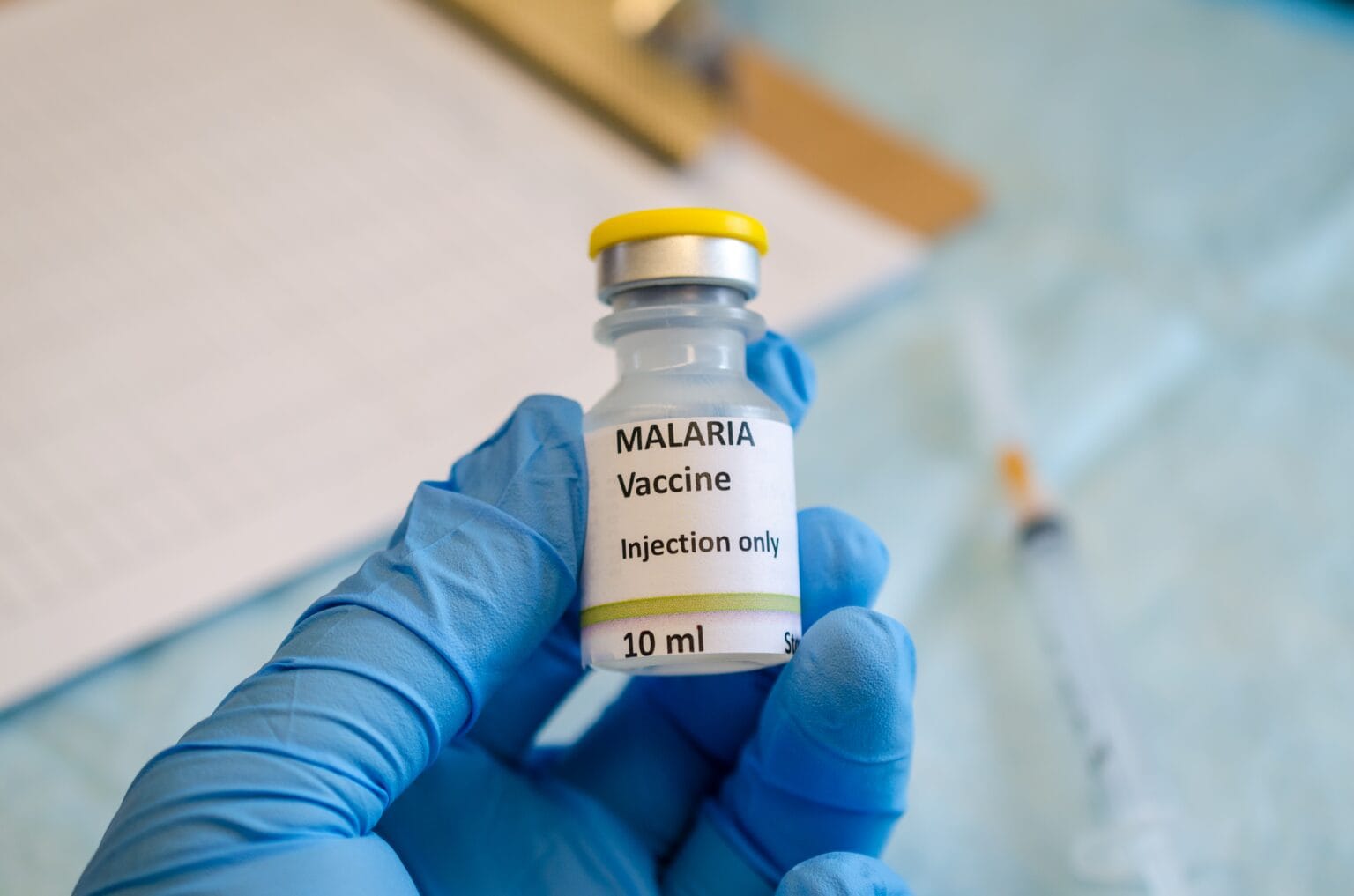
Depending on your destination, travelers may be prescribed preventative malaria medication before their trip.
These medications work by preventing the malaria parasite from developing in your body if you are bitten by an infected mosquito.
Your travel health provider will choose the right option based on:
- Your destination
- Your travel itinerary
- Your health history
- Other medications you take
Some medications start a few days before travel, while others begin one to two weeks before departure.
A quick virtual consultation makes this process simple – prescriptions can be sent directly to your local pharmacy before you leave.
2. Protect yourself from Mosquito Bites
Even if you’re taking malaria medication, avoiding mosquito bites is still extremely important.
Here are a few traveler-friendly tips:
Use insect repellent
Look for repellents containing:
- DEET
- Picardin
- Oil of lemon eucalyptus
These ingredients provide strong protection against mosquitoes.
Dress for Protection
Lightweight travel clothing can still offer protection.
Try wearing:
- Long sleeves
- Long pants
- Light-coloured clothing
This is especially helpful in the evening when malaria-carrying mosquitos are most active.
Choose protected accommodations
Staying in places with air conditioning, window screens, or mosquito nets can significantly reduce mosquito exposure.
Many hotels in malaria-risk destinations already provide these protections, especially in popular tourist areas.
Why Travellers Book With Virtual Travel Clinic
Preparing for international travel shouldn’t feel complicated.
Virtual Travel Clinic was designed to make travel health simple and convenient.
- Book online in minutes
- Meet with a travel health professional virtually
- Receive personalized travel health recommendations
- Pick up prescriptions at their local pharmacy
Whether you’re planning a safari, backpacking trip, cruise, or tropical vacation, our team helps ensure you’re fully prepared before departure.
It’s travel health – made easy.
Travel Smart, Explore More
Travel opens the door to some of the most unforgettable experiences in the world.
With a little preparation, you can explore incredible destinations while staying safe and healthy.
If your trip includes a malaria-risk region, a quick travel health consultation can help you understand your risk and take the right preventative steps – so you can focus on enjoying the adventure ahead.
FAQ’s