Dengue Fever Travel Risks:
What Canadians Need to Know Before Travelling
Travelling internationally is an exciting opportunity to experience new cultures, incredible food, and unforgettable adventures. While planning your itinerary is important, protecting your health before you leave is just as essential.
One health risk that has become increasingly common in many popular travel destinations is dengue fever. This mosquito-borne illness affects millions of people each year and is becoming more widespread due to climate change, urbanization, and increased international travel.
The good news is that with the right preparation, travellers can significantly reduce their risk.
Whether you’re planning a beach vacation in Mexico, backpacking through Southeast Asia, or exploring South America, understanding dengue fever travel advice can help you stay healthy throughout your trip.
At Virtual Travel Clinic, we help Canadians prepare for international travel with personalized travel health advice, destination-specific recommendations, travel vaccinations where appropriate, and prescriptions designed to help reduce travel-related health risks.
Ready to travel with confidence?
Book your travel consultation online or contact our team today at 1 (833) 359-4669 to receive personalized travel health recommendations before you depart.
What Is Dengue Fever?
Dengue fever is a viral infection spread through the bite of infected Aedes mosquitoes, primarily Aedes aegypti and Aedes albopictus. Unlike mosquitoes that bite mainly at night, these mosquitoes are most active during the daytime, particularly during the early morning and late afternoon.
Dengue cannot spread directly from one person to another through casual contact. Instead, it is transmitted when an infected mosquito bites a person.
The virus is found in many tropical and subtropical regions around the world, making it an important consideration for Canadians travelling internationally.
Where Is Dengue Fever Common?
Dengue is present in more than 100 countries worldwide. Travellers visiting tropical or subtropical destinations may be at increased risk, particularly during rainy seasons when mosquito populations increase.
Common destinations where dengue is reported include:
Mexico
Costa Rica
Belize
Dominican Republic
Jamaica
Cuba
Thailand
Vietnam
Indonesia
Philippines
Malaysia
India
Sri Lanka
Brazil
Colombia
Peru
Even luxury resorts can have mosquitoes carrying dengue, so protection is important regardless of where you stay.
Why Should Canadian Travellers Be Concerned?
Many Canadians assume mosquito bites are simply an annoyance while travelling. Unfortunately, dengue can cause significant illness and may disrupt an entire vacation.
Although most people recover completely, some infections can become severe and require hospitalization.
Because there is no specific antiviral treatment for dengue, prevention remains the best protection.
Travellers who understand their destination’s health risks before departure are far better prepared to avoid preventable illness.
How Is Dengue Spread?
Dengue spreads when:
A mosquito bites a person infected with the dengue virus.
The virus develops inside the mosquito.
The infected mosquito bites another person.
The virus enters the bloodstream through the mosquito bite.
Unlike illnesses such as influenza or the common cold, dengue is not spread through coughing, sneezing, hugging, or sharing food.
Dengue Symptoms
Symptoms usually develop 4 to 10 days after being bitten by an infected mosquito.
Common dengue symptoms include:
Sudden high fever
Severe headache
Pain behind the eyes
Muscle and joint pain
Nausea or vomiting
Skin rash
Extreme fatigue
Mild bleeding such as nosebleeds or bleeding gums
Many people describe dengue as “breakbone fever” because of the intense muscle and joint pain it can cause.
Symptoms generally last between 2 and 7 days, although fatigue may continue for several weeks after recovery.
Warning Signs of Severe Dengue
While uncommon among travellers, severe dengue is a medical emergency.
Seek immediate medical attention if symptoms develop alongside:
Severe abdominal pain
Persistent vomiting
Difficulty breathing
Confusion
Heavy bleeding
Blood in vomit or stool
Extreme weakness or fainting
Early medical treatment can significantly improve outcomes.
Who Is at Higher Risk?
Anyone travelling to an area where dengue is circulating can become infected.
However, the risk may be higher for:
Frequent international travellers
Long-term travellers
Backpackers
Adventure travellers
People visiting friends and relatives abroad
Individuals spending significant time outdoors
Travellers during rainy seasons
Families travelling with young children should also be especially diligent with mosquito bite prevention.
How to Prevent Dengue While Travelling
Since there is no cure for dengue, avoiding mosquito bites is the most effective way to reduce your risk.
1. Use an Effective Insect Repellent
Apply a Health Canada-approved insect repellent containing ingredients such as DEET or icaridin according to the product instructions.
Remember to reapply after swimming, excessive sweating, or as directed on the label.
2. Wear Protective Clothing
Choose:
Long-sleeved shirts
Long pants
Lightweight breathable fabrics
Closed-toe shoes when practical
Light-coloured clothing may also make mosquitoes easier to spot.
3. Stay Somewhere with Good Mosquito Protection
When booking accommodations, look for:
Air conditioning
Window screens
Door screens
Bed nets where appropriate
Even higher-end accommodations should not replace personal mosquito precautions.
4. Avoid Standing Water
Mosquitoes breed in standing water.
Although you cannot eliminate every breeding site while travelling, avoiding areas with large amounts of stagnant water can help reduce exposure.
5. Be Extra Careful During Peak Mosquito Activity
Unlike malaria-spreading mosquitoes, dengue-carrying mosquitoes are most active during daylight hours.
Pay particular attention during:
Early morning
Late afternoon
Around shaded outdoor areas
Near gardens and pools
Mosquito protection should be part of your daytime routine – not just something you think about in the evening.
Does Dengue Have a Vaccine?
Dengue vaccines are available in certain situations, but they are not routinely recommended for most Canadian travellers.
Eligibility depends on several factors, including:
Previous dengue infection
Age
Destination
Individual medical history
Current Canadian recommendations
This is why a personalized travel health assessment is important before travelling.
At Virtual Travel Clinic, our healthcare providers review your itinerary, medical history, planned activities, and destination-specific health risks to determine the most appropriate recommendations for your trip.
Planning international travel soon?
Book a consultation with Virtual Travel Clinic to receive personalized travel health advice, destination-specific recommendations, and travel prescriptions tailored to your itinerary.
Destination-Specific Dengue Risk: What Travellers Should Know
The risk of dengue varies depending on where you’re travelling, the time of year, and current local outbreaks. In many destinations, dengue cases increase during the rainy season when mosquito populations are at their highest.
Popular travel destinations where Canadians should be especially mindful of dengue include:
Destination | Dengue Risk | What Travellers Should Know |
Mexico | Moderate to High | Risk exists in many regions, including popular tourist destinations. |
Costa Rica | Moderate to High | Mosquitoes are active year-round, with increased risk during rainy months. |
Thailand | High | Dengue is common throughout much of the country. |
Vietnam | High | Cases occur year-round, with seasonal increases. |
Indonesia (including Bali) | High | Dengue is one of the most common mosquito-borne illnesses affecting travellers. |
Brazil | High | Seasonal outbreaks occur regularly in many regions. |
Peru | Moderate to High | Risk varies depending on altitude and region. |
Even if dengue activity is lower at your destination, mosquito bite prevention should always be part of your travel routine.
Your travel health recommendations should be based on your specific itinerary rather than the country alone.
What Should You Do If You Think You Have Dengue?
If you develop symptoms while travelling:
- Rest as much as possible.
- Drink plenty of fluids to stay hydrated.
- Seek medical assessment promptly.
- Avoid taking medications containing ibuprofen, naproxen, or aspirin unless advised by a healthcare professional, as they may increase the risk of bleeding in people with dengue.
- Monitor your symptoms closely.
If warning signs such as severe abdominal pain, persistent vomiting, heavy bleeding, or difficulty breathing develop, seek emergency medical care immediately.
Returning Home to Canada
Some travellers don’t become sick until after they’ve returned home.
If you develop a fever, rash, or flu-like symptoms within two weeks of returning from a destination where dengue is present, tell your healthcare provider:
- Which countries you visited
- When you travelled
- When your symptoms started
- Whether you experienced significant mosquito exposure
Providing your travel history helps healthcare providers make an accurate diagnosis more quickly.
Your Dengue Prevention Checklist
Before you leave:
- Book a travel health consultation.
- Review destination-specific health risks.
- Pack an approved insect repellent.
- Bring lightweight clothing that covers your arms and legs.
- Consider permethrin-treated clothing if appropriate.
- Book accommodations with screens or air conditioning where possible.
- Purchase travel insurance that includes medical coverage.
- Know where to access healthcare at your destination.
Small steps before departure can make a big difference during your trip.
Why Travel Health Planning Matters
Many travellers think about vaccinations but overlook other important health risks.
A travel health consultation can help you prepare for:
- Mosquito-borne illnesses
- Food and water safety
- Traveller’s diarrhea
- Malaria prevention (where appropriate)
- Altitude sickness
- Motion sickness
- Destination-specific travel prescriptions
- Routine vaccine recommendations based on your destination
Every itinerary is different, which is why personalized advice is so valuable.
At Virtual Travel Clinic, our healthcare providers review your travel plans and medical history to provide recommendations tailored to your destination, activities, and individual health needs.
Whether you’re travelling for a relaxing beach vacation, a business trip, a cruise, or an adventure abroad, planning ahead can help you travel with greater confidence.
Travel Smarter with Virtual Travel Clinic
Preparing for international travel shouldn’t be complicated.
Virtual Travel Clinic makes it easy for Canadians to receive expert travel health advice from the comfort of home. Our virtual appointments are designed to fit your schedule, making it simple to prepare for your trip without visiting a physical clinic.
Our team can help you:
- Understand destination-specific health risks
- Review recommended travel vaccinations
- Discuss mosquito-borne illnesses such as dengue
- Prescribe eligible travel medications when appropriate
- Answer your travel health questions before departure
Whether you’re travelling next month or leaving on short notice, we’re here to help you prepare for a healthier journey.
Book your consultation online or contact our customer support team at 1 (833) 359-4669 to get started today.
FAQ’s
Is dengue fever common in popular vacation destinations?
Yes. Dengue is common in many tropical and subtropical destinations, including parts of Mexico, the Caribbean, Central America, South America, and Southeast Asia. The level of risk varies by location and season.
How can I prevent dengue while travelling?
The best way to prevent dengue is to avoid mosquito bites by using insect repellent, wearing protective clothing, staying in accommodations with screens or air conditioning, and being especially cautious during the daytime when dengue-carrying mosquitoes are most active.
Can you get dengue more than once?
Yes. There are four different dengue virus types. Recovering from one type does not provide complete protection against the others, so it is possible to become infected more than once.
How soon do dengue symptoms appear?
Symptoms typically develop between four and ten days after being bitten by an infected mosquito, although this can vary slightly between individuals.
Should I see a healthcare provider before travelling?
Yes. A travel health consultation helps ensure you understand the health risks at your destination and receive personalized recommendations based on your itinerary, activities, and medical history.
Does Virtual Travel Clinic help with mosquito-borne illness prevention?
Yes. Virtual Travel Clinic provides destination-specific travel health advice, reviews mosquito-borne illness risks, recommends preventive measures, and prescribes eligible travel medications when appropriate to help Canadians travel safely.
Travel Confidently, Wherever You're Going
Dengue fever is a growing concern in many travel destinations, but it doesn’t have to disrupt your plans. With the right preparation, practical mosquito bite prevention, and personalized travel health advice, you can reduce your risk and focus on enjoying your trip.
Before you pack your bags, make travel health part of your planning.
Book your appointment online or contact Virtual Travel Clinic at 1 (833) 359-4669 to receive expert travel health advice, destination-specific recommendations, and the support you need for a healthier journey abroad.
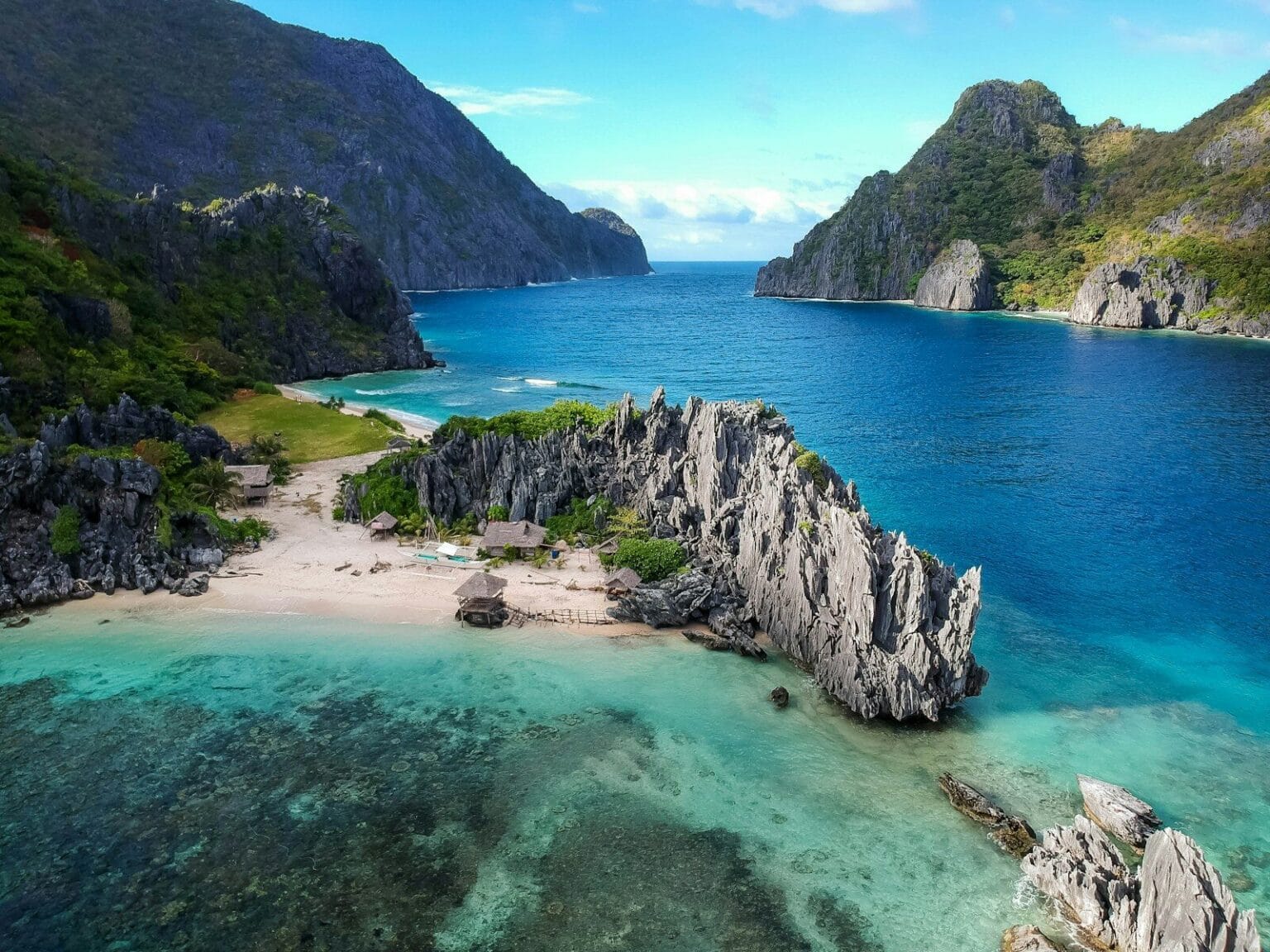
Travel Vaccines for the Philippines: Health Advice for Canadian Travellers
Travel Vaccines for the Philippines: Health Advice for Canadian Travellers VoyageWell: Your Trusted Travel Medicine Resource Planning a trip to the Philippines? Whether you’re visiting

Dengue Fever Travel Risks: What Canadians Need to Know Before Travelling
Dengue Fever Travel Risks: What Canadians Need to Know Before Travelling VoyageWell: Your Trusted Travel Medicine Resource Travelling internationally is an exciting opportunity to experience
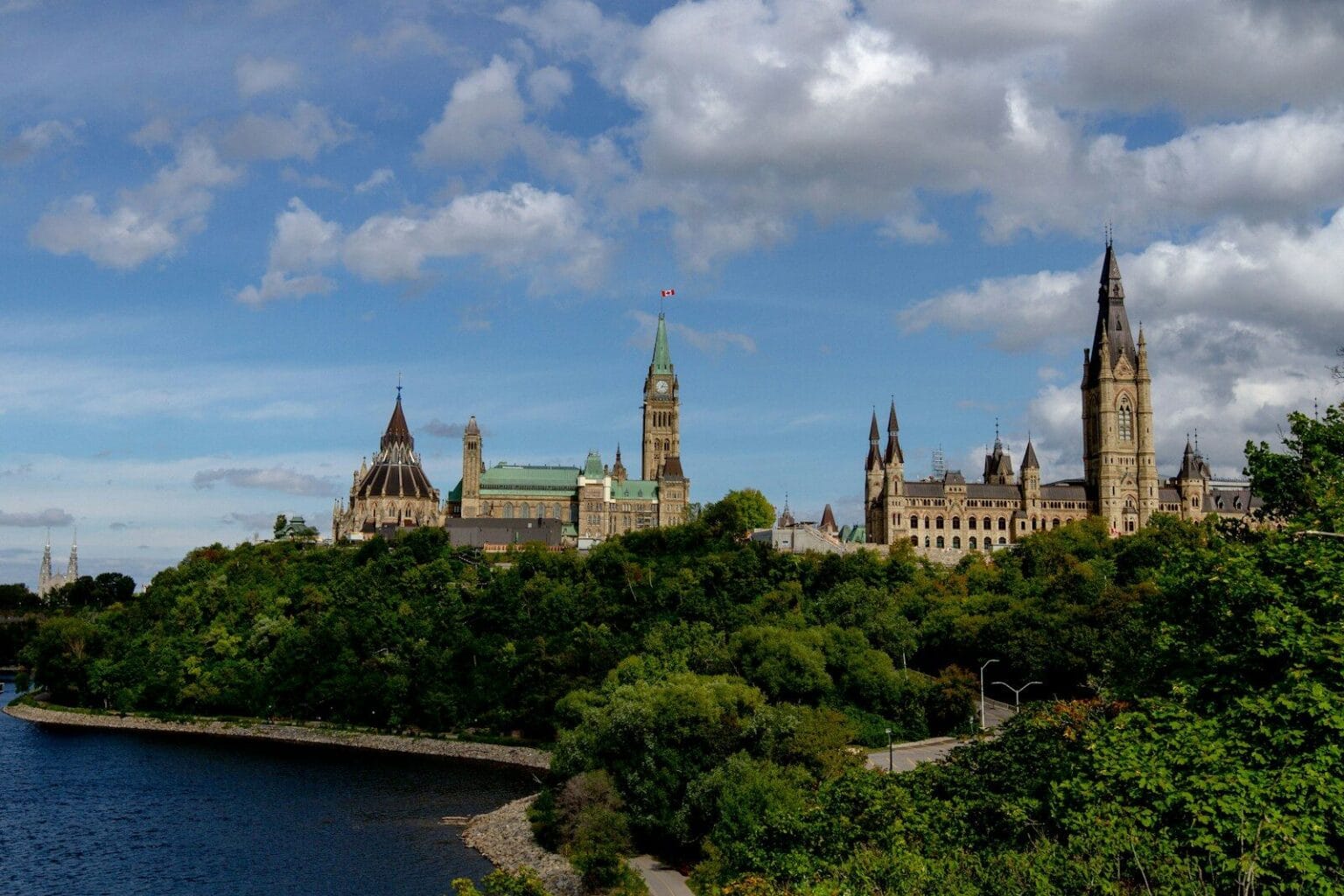
Travel Clinic Ottawa: Online Travel Health Services for Ottawa Travellers
Travel Clinic Ottawa: Online Travel Health Services for Ottawa Travellers VoyageWell: Your Trusted Travel Medicine Resource Planning an international trip from Ottawa? Whether you’re heading

Travel Health Guide for Egypt: Vaccines, Medications & Travel Tips
Travel Health Guide for Egypt: Vaccines, Medications & Travel Tips VoyageWell: Your Trusted Travel Medicine Resource Planning a trip to Egypt? Whether you’re exploring the

Mosquito-Borne Diseases Around the World: What Travellers Need to Know
Mosquito-Borne Diseases Around the World: What Travellers Need to Know VoyageWell: Your Trusted Travel Medicine Resource Picture this: You’re sitting on a beach in Mexico,
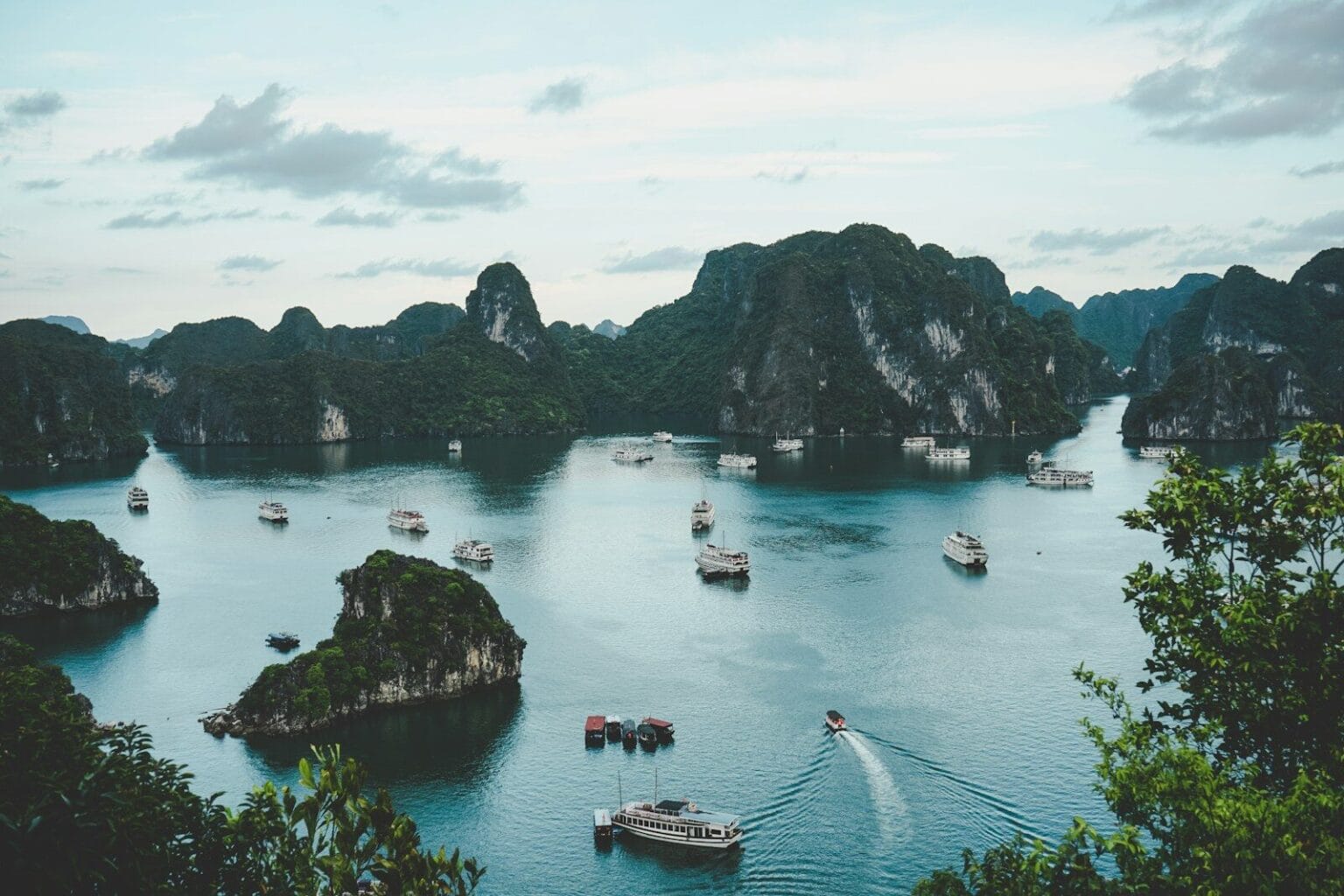
Travel Vaccines for Vietnam: Entry Requirements & Health Advice for Canadians
Travel Vaccines for Vietnam: Entry Requirements & Health Advice for Canadians VoyageWell: Your Trusted Travel Medicine Resource So, you’re planning a trip to Vietnam. Amazing.