
Travel Vaccines for Colombia:
What Canadians Need Before They Go
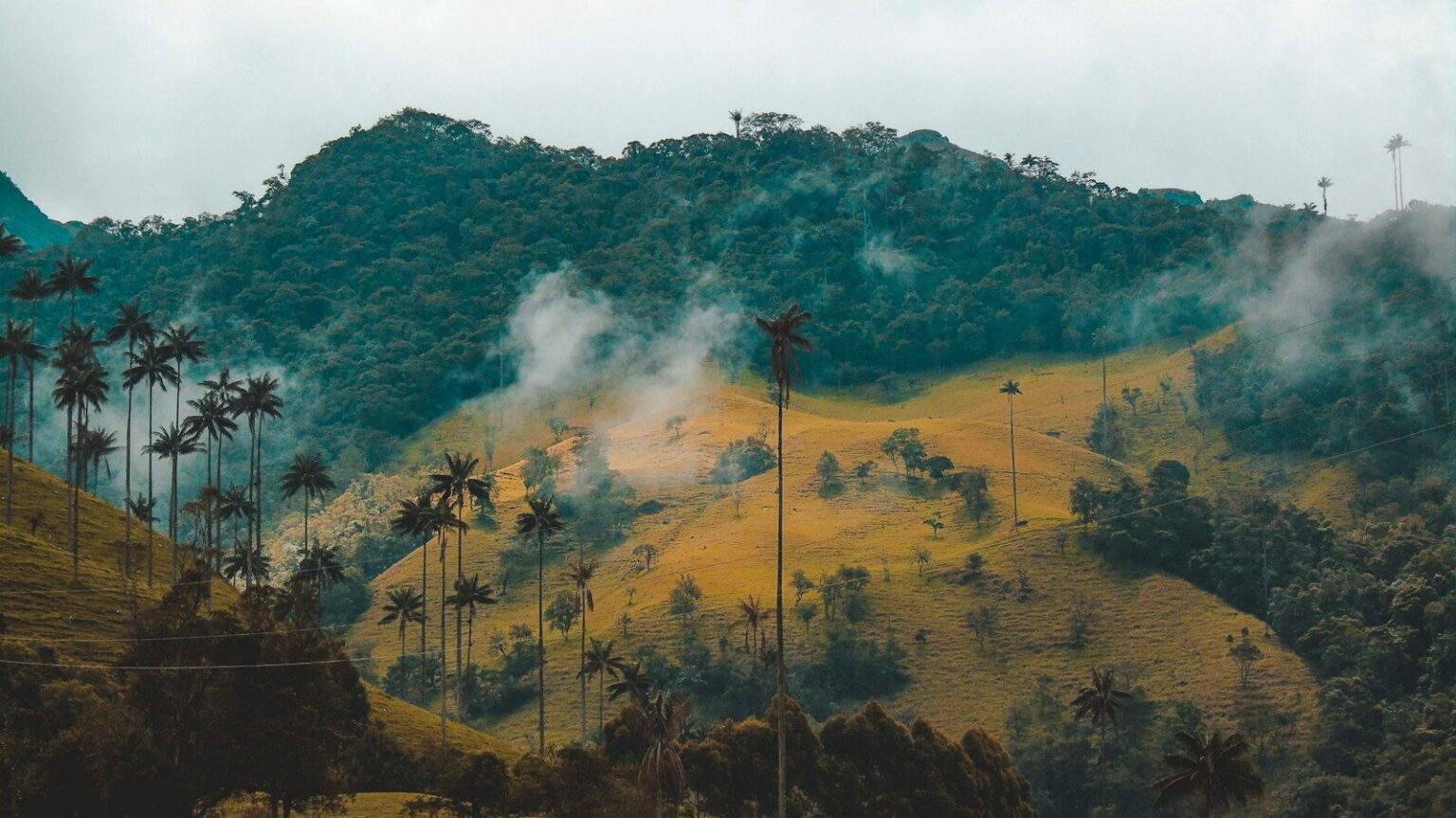
Colourful streets in Cartagena. Coffee farms in the hills above Salento. The energy of Medellín. Colombia has quietly become one of Canada’s most popular destinations, and it is easy to see why.
It also has real health considerations, from yellow fever in the Amazon to altitude in Bogotá. None of these should scare you off. They should simply shape your planning.
At Virtual Travel Clinic, we help Canadian travellers sort out the travel vaccines Colombia trips require, along with prescriptions and destination advice. All online, all from your couch.
Here is what you need to know before you go.
Why Colombia Travel Health Matters
Colombia packs an extraordinary range of climates and landscapes into one country. You can go from a Caribbean beach to a high Andean city to dense rainforest in a single trip.
That variety is exactly why Colombia travel health deserves a proper look. Risk varies across the country. What applies to Cartagena may not apply to Leticia, and what matters in Bogotá may not matter in the coffee region.
Do Canadians Need Travel Vaccines for Colombia?
Short answer: yes, most should consider them.
Which ones depend on your route, your health history, and how long you are staying. Let’s break it down.
Routine Vaccines (The Basics)
Make sure your foundations are solid first.
- Measles, Mumps, Rubella (MMR): Outbreaks still happen globally, including in the Americas. If you were born after 1970, check your records.
- Diphtheria, Tetanus, Pertussis (Tdap): You will be hiking, walking cities, and exploring trails. Booster every 10 years.
- Influenza: A quick flu shot can keep you out of bed.
- Varicella (Chickenpox): If you have never had it, consider the vaccine.
Recommended Vaccines (The Colombia Essentials)
These are the ones most Canadian travellers should consider.
- Hepatitis A: A top recommendation. It spreads through contaminated food and water. One shot protects you for a year, and a booster gives long-lasting coverage.
- Typhoid: Smart if you will be eating at local stalls, visiting rural areas, or staying in budget accommodation. Available as a shot or oral capsules.
Situational Vaccines (Depends on Your Plans)
- Yellow Fever: This one matters more in Colombia than in many destinations. See the next section for details.
- Rabies: Colombia has a rabies risk from dogs, and bat exposure is possible in remote areas. Worth considering for rural travel or longer stays.
- Hepatitis B: Consider if you might need medical care abroad, get tattoos or piercings, or have intimate contact with new people.
Our take: Book your Colombia vaccines Canada consultation two to four weeks before departure. Yellow fever vaccination, in particular, needs at least 10 days before travel to be valid.
Yellow Fever and Colombia: What Canadians Should Know
Yellow fever is the single most important vaccine conversation for many Colombia trips, so it deserves its own section.
Where risk exists in Colombia:
- The Amazon basin, including Leticia
- Parts of the eastern plains, known as the Llanos
- Some lower altitude areas on the eastern slopes of the Andes
Where risk is generally low or absent:
- Bogotá
- Medellín
- Cartagena
- The coffee region
- Most highland areas above roughly 2,300 metres
Key points for Canadians:
- Colombia does not require yellow fever proof for direct arrivals from Canada.
- Vaccination is recommended for travel to the risk areas above.
- The vaccine must be given at least 10 days before travel to be valid.
- Some other countries require proof of yellow fever vaccination if you have travelled through a risk area, so check your onward route.
- Yellow fever is a live vaccine, so it needs a proper review if you are pregnant, immunocompromised, or over 60.
This is exactly the kind of decision that benefits from a conversation rather than a quick search.
Book Your Travel Health Consultation Now or call us: 1-833-359-4669, and we will review your route region by region.
Colombia Travel Vaccine Requirements: Mandatory vs Recommended
Cambodia-style clarity, Colombia-style rules. Here is the quick view.
- Yellow fever: recommended for risk areas, including the Amazon, Llanos, and lower eastern slopes
- Hepatitis A: recommended for almost all travellers
- Typhoid: recommended for rural travel, street food, and longer stays
- Rabies: situational, for rural areas, animal contact, and long stays
- Hepatitis B: situational, for medical care abroad, tattoos, and intimate contact
- Routine vaccines (MMR, Tdap, flu): recommended for everyone
Colombia does not require most vaccines for entry. The recommendations exist to protect you, not just to satisfy a border officer.
Beyond Vaccines: Other Health Risks in Colombia
Shots are only part of the picture. Here is what else deserves attention.
Dengue Fever
Dengue is widespread across Colombia, including popular cities like Cartagena and Medellín, and risk rises during the rainy season. No dengue vaccine is widely available for Canadian travellers, and there is no specific treatment, so prevention is everything.
- Use repellent with DEET (20 to 30 percent) or Picaridin. Apply after sunscreen.
- Wear long sleeves and pants at dawn and dusk.
- Sleep in screened or air-conditioned rooms.
Malaria
Malaria risk in Colombia is concentrated in rural and forested areas, including parts of the Amazon, the Pacific coast, and the Llanos. Cities like Bogotá, Medellín, and Cartagena are generally considered low risk.
If your itinerary includes remote or jungle regions, your doctor may recommend antimalarial medication. This is worth discussing before you fly.
Altitude in Bogotá
Bogotá sits at roughly 2,640 metres, which can cause altitude sickness in some travellers. Medellín, at around 1,500 metres, is much gentler.
- Take your first day slowly.
- Stay hydrated and avoid alcohol on arrival.
- Watch for headache, nausea, dizziness, and shortness of breath.
- Ask about prevention options if you are heading higher.
Zika Virus
Zika is present in Colombia. If you are pregnant or trying to conceive, review your destination carefully with a healthcare provider before booking.
Traveller’s Diarrhea and Water Safety
Tap water is generally not considered safe to drink outside major cities.
- Pack oral rehydration salts.
- Ask about an emergency antibiotic to keep on hand.
- Stick to bottled or filtered water, even for brushing your teeth in rural areas.
- Eat freshly cooked, hot food and peel your own fruit.
Rabies
Street dogs are common in many parts of Colombia. Do not approach or feed animals, and seek immediate medical care after any bite or scratch.
Colombia Travel Health Checklist
- Travel health consultation: personalized vaccines and prescriptions for your route
- Hepatitis A and typhoid vaccines: core protection for most travellers
- Yellow fever vaccine: if visiting the Amazon, Llanos, or lower eastern slopes
- Rabies vaccine: if rural travel, animal contact, or a longer stay is planned
- Antimalarials: if your route includes higher risk rural areas
- DEET or Picaridin repellent: dengue prevention is not optional
- Oral rehydration salts and an emergency antibiotic: for travel days that go sideways
- Travel insurance: essential, especially for medical evacuation
- Altitude plan: especially for Bogotá and higher regions
Costs and Practical Considerations
A few things to know before you book.
- Consultation fee: a flat fee covers your full assessment and any prescriptions.
- Vaccine and medication costs: pay at your local Canadian pharmacy; prices vary by drug. Expect costs in Canadian dollars.
- Ordering time: yellow fever vaccine is only available at designated travel health clinics in Canada, so plan ahead.
- Insurance: private insurance plans may cover part of the cost. Provincial plans generally do not cover travel vaccines.
- Timing: aim for four to six weeks before departure, and at least 10 days before travel for yellow fever.
Compared to the cost of a medical emergency abroad, a bit of preparation is money well spent.
Get Colombia-Ready From Your Couch
You have picked the route. You have imagined the coffee farms. Now let’s make sure your health plan is just as solid.
Virtual Travel Clinic is a Canadian virtual travel clinic focused on travel vaccinations and prescriptions. One focus, done well.
Why Canadians choose us:
- Canadian licensed clinicians who specialize in travel medicine
- Fully virtual visits from anywhere in Canada
- Destination specialists who know the difference between Cartagena and the Amazon
- Quick appointments that make last-minute bookings easy
Here’s how it works:
- Book online at www.virtualtravelclinic.ca and choose your time.
- Share your trip details, including cities, regions, activities, and length of stay.
- Meet your clinician by video call for tailored recommendations.
- Get your prescriptions sent straight to your local Canadian pharmacy.
- Travel with confidence, knowing you have covered the essentials.
Book Your Travel Health Consultation Now or call us: 1-833-359-4669
FAQ’s
Do I need the yellow fever vaccine for Colombia?
It depends on your route. Colombia does not require proof of vaccination for direct arrivals from Canada, but vaccination is recommended for risk areas, including the Amazon basin, the Llanos, and some lower eastern slopes of the Andes. Cities like Bogotá, Medellín, and Cartagena are generally low risk. The vaccine must be given at least 10 days before travel.
Is malaria a risk in Colombia?
Malaria risk is concentrated in rural and forested areas, including parts of the Amazon, the Pacific coast, and the Llanos. Bogotá, Medellín, and Cartagena are generally considered low risk. If your itinerary includes jungle or remote regions, antimalarial medication may be recommended.
Is dengue fever a concern in Colombia?
Yes. Dengue is widespread across Colombia, including popular cities, and risk rises during the rainy season. No dengue vaccine is widely available for Canadian travellers, and there is no specific treatment, so bite prevention with repellent, clothing, and screened accommodation is the best defence.
Can I drink the tap water in Colombia?
Tap water is generally not considered safe to drink outside major cities. Stick to bottled or filtered water, and use it for brushing your teeth in rural areas. Avoid ice from unknown sources and be cautious with raw vegetables and unpeeled fruit.
How far in advance should I get travel vaccines for Colombia?
Ideally two to four weeks before departure. Yellow fever vaccination needs at least 10 days before travel to be valid, and some other vaccines require multiple doses. If you are leaving sooner, book a consultation anyway; we can often accommodate last-minute travellers.
Is altitude sickness a concern in Colombia?
It can be. Bogotá sits at roughly 2,640 metres, which can affect some travellers. Medellín, at around 1,500 metres, is much gentler. Take it easy on your first day, stay hydrated, and ask about prevention options if you are heading to higher regions.
Are travel vaccines for Colombia covered by Canadian health insurance?
Most provincial plans do not cover travel vaccines. However, many private insurance plans may cover the consultation fee or part of the vaccine cost. It is worth checking with your provider.
Planning your next adventure?
Book your travel health consultation today at VirtualTravelClinic.ca — and go explore the world, your way.
Travel Vaccines for Colombia: What Canadians Need Before They Go
Travel Vaccines for Colombia: What Canadians Need Before They Go VoyageWell: Your Trusted Travel Medicine Resource Colourful streets in Cartagena. Coffee farms in the hills
Travel Clinic Red Deer: Online Travel Vaccines & Prescriptions
Travel Clinic Red Deer: Online Travel Vaccines & Prescriptions VoyageWell: Your Trusted Travel Medicine Resource Planning an international trip from Red Deer? Whether you are

Travelling With Diabetes: What Canadians Should Know Before an International Trip
Travelling With Diabetes: What Canadians Should Know Before an International Trip VoyageWell: Your Trusted Travel Medicine Resource A diabetes diagnosis doesn’t mean you’re banned from

Do Canadians Need Travel Vaccines for Cambodia?
Do Canadians Need Travel Vaccines for Cambodia? VoyageWell: Your Trusted Travel Medicine Resource Short answer: yes, most should consider them. There is no single rule.
Travel Clinic Abbotsford: Online Travel Vaccines & Prescriptions
Travel Clinic Abbotsford: Online Travel Vaccines & Prescriptions VoyageWell: Your Trusted Travel Medicine Resource Planning an international getaway from Abbotsford? Whether you’re dreaming of tropical

Malaria Medication for Travel: What Canadians Need to Know
Malaria Medication for Travel: What Canadians Need to Know VoyageWell: Your Trusted Travel Medicine Resource Malaria is one of the oldest and most serious travel